Teeth Grinding (Bruxism) – Consultations and Treatment Options

Nurse-led care

NMC-Registered Nursing Team

75+ Years Combined Nursing Experience
Professional Teeth Grinding and Bruxism Consultations in Nottingham, Newark, Chesterfield and Derby
What Is Teeth Grinding (Bruxism)?
Sleep Bruxism
Awake Bruxism
Common Signs and Symptoms of Teeth Grinding
Common signs and symptoms associated with bruxism include:
- Persistent teeth grinding
- Unconscious jaw clenching
- Jaw muscle tension and discomfort
- Morning headaches
- Facial muscle tenderness
- Aching around the jaw and temples
- Increased tooth sensitivity
- Worn, chipped or damaged teeth
- Jaw muscle fatigue
- Enlarged or prominent jaw muscles
- Discomfort when chewing
- Disturbed sleep associated with teeth grinding
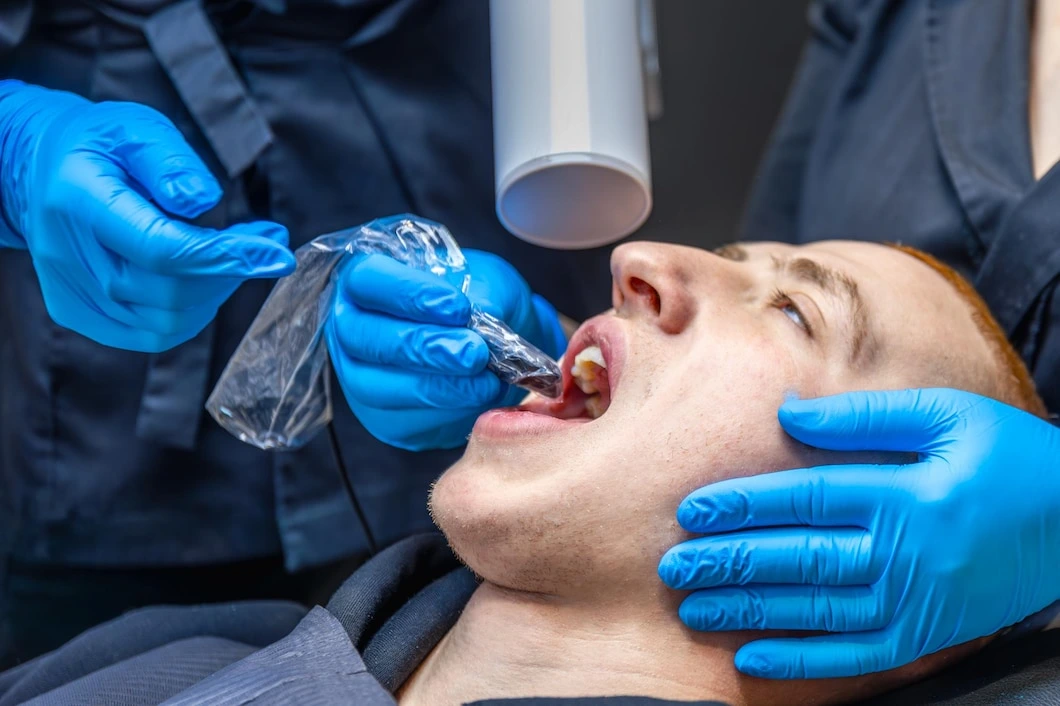
What Causes Teeth Grinding and Jaw Clenching?
- Stress and anxiety
- Emotional tension
- Sleep disturbances
- Certain medications
- Excessive caffeine consumption
- Alcohol consumption
- Smoking
- Sleep-related breathing disorders
- Repetitive daytime jaw clenching
- Certain neurological conditions
Teeth Grinding (Bruxism) – Consultations and Treatment Options
Understanding the Masseter Muscles and Teeth Grinding
The masseter muscles are powerful muscles located on either side of the lower face. They play an important role in chewing, biting and closing the jaw.
When these muscles are repeatedly activated through excessive teeth grinding or jaw clenching, some individuals may experience persistent muscular tension, fatigue or discomfort.
Repeated muscle activity may also contribute to enlargement of the masseter muscles, creating a wider or more prominent lower facial appearance.
During a consultation, our nursing team can assess the masseter muscles, facial anatomy and reported symptoms to help determine whether further assessment or treatment may be appropriate.
Teeth Grinding, Jaw Pain and Headaches
Persistent jaw clenching and teeth grinding can place additional strain on the muscles surrounding the jaw, face and temples.
For some individuals, this may contribute to:
- Morning headaches
- Tension around the temples
- Aching facial muscles
- Jaw stiffness
- Muscular discomfort when chewing
- Tenderness around the lower face
- Jaw muscle fatigue
However, headaches and jaw pain can have many different causes and should not automatically be attributed to bruxism.
Individuals experiencing persistent headaches, significant jaw pain or difficulty opening their mouth may require further assessment by their dentist or GP.
Teeth Grinding and Temporomandibular Joint Disorders (TMD)
The temporomandibular joints connect the lower jaw to the skull and allow the jaw to move during speaking, eating and chewing.
Temporomandibular disorders, commonly referred to as TMD, can affect the jaw joints and surrounding muscles.
Although teeth grinding and jaw clenching may contribute to muscular discomfort associated with TMD, they are not the only potential causes.
Symptoms may include jaw pain, clicking or popping sounds, restricted jaw movement and discomfort when chewing.
Individuals experiencing these symptoms may require specialist dental or medical assessment to establish the underlying cause.
What Treatment Options Are Available for Teeth Grinding?
Several approaches are available for managing teeth grinding and jaw clenching, depending on the underlying cause, severity and individual symptoms.
These may include:
- Professionally fitted dental night guards
- Stress management techniques
- Jaw relaxation exercises
- Physiotherapy
- Improvements to sleep habits
- Management of underlying sleep disorders
- Reviewing contributing medications with a healthcare professional
- Specialist dental assessment
- Clinically appropriate medical interventions
Dental night guards may help protect teeth from damage caused by grinding, although they do not necessarily prevent the underlying grinding activity.
The most appropriate management approach will depend on individual clinical circumstances.
Medical Consultations for Overactive Masseter Muscles
Some individuals experiencing persistent jaw muscle tension or excessive masseter muscle activity may wish to explore additional medical management options.
At MedSkin Clinic, our nurse-led consultations provide an opportunity to discuss your symptoms, medical history, previous treatments and individual concerns.
Where appropriate, our nursing team may recommend further assessment by a dentist, GP or suitably qualified prescribing healthcare professional.
Any proposed medical intervention must be individually assessed, with consideration given to its clinical suitability, potential benefits, limitations and associated risks.
Medical interventions for jaw muscle activity should not be considered a replacement for appropriate dental care or management of underlying medical conditions.
Potential Benefits of Managing Teeth Grinding and Jaw Clenching
Depending on the underlying cause and management approach selected, potential benefits may include:
- Improved management of excessive jaw muscle activity
- Reduced muscular tension
- Improved everyday comfort
- Reduced jaw muscle fatigue
- Better awareness and management of daytime clenching
- Protection against further dental wear through appropriate dental care
- Improved management of associated muscular discomfort
Individual outcomes vary, and no single treatment is suitable for every person experiencing bruxism.
Teeth Grinding
Understanding Teeth Grinding, Bruxism and Excessive Jaw Muscle Activity
Teeth grinding, medically known as bruxism, is a condition involving repeated grinding, clenching or tightening of the teeth and jaw muscles.
Bruxism can occur during the day or while sleeping, and many individuals are unaware of their excessive jaw muscle activity until they experience discomfort or a dentist identifies signs of dental wear.
Persistent teeth grinding and jaw clenching may contribute to muscular tension, facial discomfort, headaches, dental damage and changes in the appearance of the lower face.
At MedSkin Clinic, our professional nurse-led approach focuses on understanding individual symptoms, medical history, facial anatomy and the underlying factors contributing to excessive jaw muscle activity.
Our experienced NMC-registered nursing team has over 75 years of combined nursing experience, providing personalised consultations across Nottingham, Newark-on-Trent, Chesterfield and Derby.
Every consultation focuses on clinical suitability, appropriate management options, realistic expectations and patient safety.
What Causes Teeth Grinding and Jaw Clenching?
There is no single cause of teeth grinding, and several factors may contribute to the development or persistence of bruxism.
Some individuals experience occasional teeth grinding during periods of stress, while others develop persistent symptoms associated with sleep-related or medical factors.
Possible contributing factors include:
- Stress and anxiety.
- Poor sleep quality.
- Sleep-related breathing disorders.
- Habitual daytime jaw clenching.
- Increased jaw muscle activity.
- Certain medications.
- Excessive caffeine consumption.
- Alcohol consumption.
- Smoking and nicotine use.
- Individual neurological factors.
- Certain underlying medical conditions.
- Lifestyle and behavioural factors.
Bruxism is not necessarily caused by dental alignment problems, although existing dental conditions may influence the symptoms experienced by some individuals.
Understanding the potential contributing factors is important when considering appropriate management.
Our nursing team may recommend further dental, medical or specialist assessment where necessary.
Teeth Grinding During Sleep – Night-Time Bruxism
Sleep bruxism describes grinding or clenching activity that occurs while an individual is asleep.
Many patients are unaware that they grind their teeth during the night.
In some cases, a partner may notice grinding sounds, or a dentist may identify signs of tooth wear during a routine dental examination.
Possible signs of night-time teeth grinding include:
- Waking with jaw discomfort.
- Morning facial muscle tension.
- Headaches around the temples.
- Jaw stiffness upon waking.
- Tooth sensitivity.
- Worn or damaged teeth.
- Discomfort when chewing breakfast.
- Tenderness around the lower face.
- Disturbed sleep.
- A feeling of tiredness in the jaw muscles.
Sleep bruxism can occur alongside other sleep-related conditions.
Where symptoms suggest an underlying sleep disorder, appropriate medical assessment may be recommended.
Managing excessive jaw muscle activity does not necessarily address the underlying causes of sleep bruxism.
Daytime Teeth Grinding and Jaw Clenching
Awake bruxism describes repeated jaw clenching, teeth grinding or sustained jaw muscle activity during waking hours.
Some individuals repeatedly tighten their jaw muscles without realising they are doing so.
Daytime jaw clenching may occur during:
- Periods of concentration.
- Computer or office work.
- Driving.
- Stressful situations.
- Physical exertion.
- Emotional tension.
- Everyday activities requiring sustained attention.
Unlike night-time teeth grinding, daytime bruxism may sometimes be managed through increased awareness of jaw muscle activity and changes in habitual behaviour.
Patients may benefit from recognising situations that trigger unnecessary jaw clenching.
An individual assessment can help determine whether behavioural approaches, dental advice or further medical assessment may be appropriate.
What Are the Symptoms of Teeth Grinding and Bruxism?
The symptoms associated with teeth grinding vary considerably between individuals.
Some patients experience dental damage without significant muscular discomfort, while others experience persistent facial tension despite having little visible tooth wear.
Common symptoms associated with bruxism may include:
- Persistent teeth grinding.
- Repeated jaw clenching.
- Jaw muscle tension.
- Facial muscle discomfort.
- Morning headaches.
- Jaw stiffness.
- Tooth sensitivity.
- Worn tooth enamel.
- Chipped or fractured teeth.
- Discomfort when chewing.
- Jaw muscle fatigue.
- Tenderness around the temples.
- Discomfort around the ears.
- Enlarged masseter muscles.
- Changes in lower facial appearance.
- Disturbed sleep.
These symptoms can also occur with other dental, medical or musculoskeletal conditions.
Persistent or unexplained symptoms should be appropriately assessed rather than automatically attributed to teeth grinding.
Why Do I Wake Up With Jaw Pain?
Waking with jaw pain, stiffness or facial muscle tension may be associated with excessive jaw muscle activity during sleep.
Repeated contraction of the chewing muscles can contribute to muscular fatigue and discomfort.
Some individuals notice that their symptoms are more pronounced first thing in the morning and gradually improve throughout the day.
Possible associated symptoms include:
- Tenderness around the jaw angles.
- Tightness when opening the mouth.
- Discomfort when chewing.
- Morning headaches.
- Facial muscle fatigue.
- Tooth sensitivity.
However, morning jaw pain can also be associated with dental problems, temporomandibular disorders or other underlying conditions.
Persistent jaw pain, significant swelling or restricted jaw movement should be assessed by an appropriate healthcare professional.
Teeth Grinding and Morning Headaches
Some individuals experiencing persistent teeth grinding or jaw clenching also report headaches, particularly around the temples or sides of the head.
The temporalis and masseter muscles contribute to chewing and jaw movement.
Repeated or excessive activity within these muscles may contribute to muscular discomfort and tension-related headaches in some individuals.
Patients may experience:
- Headaches upon waking.
- Tenderness around the temples.
- Pressure-like discomfort around the head.
- Facial muscle tension.
- Headaches associated with prolonged jaw clenching.
- Jaw discomfort alongside headaches.
Not all headaches are associated with bruxism.
Persistent, severe, new or unexplained headaches require appropriate medical assessment.
Patients experiencing migraines or other neurological headache conditions may require specialist management.
Medical interventions targeting jaw muscle activity should not be regarded as a general treatment for all types of headaches or migraines.
Teeth Grinding and Ear Pain
Some individuals with excessive jaw muscle activity experience discomfort around the ears, despite the absence of an underlying ear condition.
The jaw joints and surrounding muscles are located close to the ears.
Muscular tension or temporomandibular disorders may sometimes contribute to discomfort perceived around this area.
Associated symptoms may include:
- Aching around the ears.
- Jaw tenderness.
- Discomfort when chewing.
- Clicking or popping around the jaw.
- Facial muscle tension.
- Pain around the temples.
Ear pain can also result from infections, dental problems and other medical conditions.
Persistent ear discomfort, hearing changes, discharge or unexplained symptoms should be assessed by an appropriate healthcare professional.
Teeth Grinding and Facial Muscle Pain
Repeated jaw clenching and grinding may place additional demands on the muscles responsible for chewing.
Some individuals experience persistent aching, muscular tenderness or fatigue around the lower face.
The discomfort may become more noticeable following prolonged chewing, stressful situations or periods of increased jaw muscle activity.
Patients may describe their symptoms as:
- Tight jaw muscles.
- Aching cheeks.
- Persistent facial tension.
- Tired jaw muscles.
- Tenderness when pressing the jaw area.
- Discomfort when eating harder foods.
- Difficulty relaxing the jaw.
Facial pain can have several underlying causes.
Our nursing team will consider individual symptoms and recommend appropriate dental or medical assessment where necessary.
What Are the Masseter Muscles?
The masseter muscles are two of the main muscles responsible for closing the jaw and generating the force required for biting and chewing.
Located on either side of the lower face, the masseter muscles extend between the cheekbones and lower jaw.
They play an important role in everyday activities such as eating, chewing and maintaining normal jaw function.
The muscles become more noticeable when the teeth are clenched together.
In some individuals, repeated or excessive jaw muscle activity may contribute to muscular enlargement, discomfort or increased prominence of the lower face.
During a teeth grinding consultation, our nursing team may assess the appearance and activity of the masseter muscles alongside the patient’s reported symptoms and medical history.
Enlarged Masseter Muscles and Masseter Hypertrophy
Masseter hypertrophy is the medical term used to describe enlargement of the masseter muscles.
It may affect one or both sides of the face and can occur alongside persistent jaw clenching or teeth grinding.
Possible characteristics include:
- Increased prominence around the jaw angles.
- A wider lower facial appearance.
- A square-shaped jawline.
- Differences in muscle size between each side of the face.
- Persistent jaw muscle tension.
- Muscular tenderness.
- Increased muscle prominence during clenching.
Not everyone with enlarged masseter muscles experiences bruxism, and not everyone who grinds their teeth develops masseter hypertrophy.
Natural facial anatomy and genetic characteristics may also influence muscle size.
New or unexplained facial swelling, persistent pain or sudden changes in facial appearance should be medically assessed.
Teeth Grinding and Temporomandibular Joint Disorders
The temporomandibular joints, commonly referred to as TMJs, connect the lower jaw to the skull.
These joints work alongside the surrounding muscles to support chewing, speaking and everyday jaw movement.
Temporomandibular disorders, sometimes referred to as TMD, describe conditions affecting these joints, the surrounding muscles or both.
Some individuals experiencing bruxism also report symptoms associated with temporomandibular disorders.
Common Symptoms of Temporomandibular Disorders
Possible symptoms include:
- Jaw pain.
- Clicking or popping sounds.
- Difficulty opening the mouth.
- Jaw locking.
- Discomfort when chewing.
- Tenderness around the ears.
- Facial muscle pain.
- Headaches around the temples.
- Restricted jaw movement.
Is Teeth Grinding the Same as TMJ Dysfunction?
Teeth grinding and temporomandibular disorders are not the same condition, although they may occur together.
Bruxism involves repeated grinding, clenching or other jaw muscle activity.
Temporomandibular disorders can involve muscular problems, joint-related conditions or a combination of both.
Patients with persistent jaw locking, restricted movement or significant joint pain may require specialist dental or medical assessment.
Medical interventions aimed at reducing muscle activity do not necessarily address underlying joint-related problems.
Teeth Grinding and Sleep Apnoea
Sleep bruxism may occur alongside obstructive sleep apnoea and other sleep-related breathing disorders.
Obstructive sleep apnoea involves repeated narrowing or obstruction of the airway during sleep.
Possible symptoms include:
- Loud snoring.
- Witnessed pauses in breathing.
- Gasping or choking during sleep.
- Persistent daytime tiredness.
- Morning headaches.
- Poor concentration.
- Unrefreshing sleep.
Not everyone who grinds their teeth has sleep apnoea, and the relationship between these conditions varies between individuals.
However, patients experiencing symptoms suggestive of a sleep-related breathing disorder should seek appropriate medical assessment.
Treatment aimed at reducing jaw muscle activity does not treat obstructive sleep apnoea.
Where necessary, assessment by a GP or specialist sleep service may be recommended.
Teeth Grinding, Stress and Anxiety
Stress and anxiety may contribute to increased jaw muscle activity in some individuals, particularly during waking hours.
Patients may notice that they repeatedly clench their teeth during stressful situations or periods of concentration.
Persistent muscular tension can contribute to discomfort around the jaw, temples and lower face.
Management approaches may include:
- Recognising habitual jaw clenching.
- Practising jaw relaxation techniques.
- Taking regular breaks during prolonged computer work.
- Improving sleep routines.
- Managing stress and anxiety.
- Seeking appropriate psychological or medical support where necessary.
Stress management may form part of a broader approach to managing bruxism.
However, teeth grinding is not always caused by stress, and other contributing factors should also be considered.
Teeth Grinding During Menopause and Perimenopause
Some individuals report changes in sleep quality, muscular tension and jaw clenching during perimenopause or menopause.
Hormonal changes, sleep disruption, stress and other associated symptoms may influence general wellbeing and potentially contribute to changes in jaw muscle activity.
However, the direct relationship between menopause and bruxism is not fully established.
Persistent teeth grinding should not automatically be attributed to hormonal changes.
Patients experiencing new or worsening symptoms during menopause may benefit from discussing their concerns with their GP, dentist or another appropriately qualified healthcare professional.
Can Medication Cause Teeth Grinding?
Certain medications have been associated with the development or worsening of teeth grinding in some individuals.
These may include particular antidepressants, stimulant medications and other medicines affecting the nervous system.
The relationship between medication and bruxism varies considerably between patients.
Individuals who notice increased teeth grinding or jaw clenching after starting or changing medication should discuss their symptoms with the prescribing healthcare professional.
Patients should not stop or alter prescribed medication without appropriate medical advice.
During your consultation, our nursing team will consider your current medications and relevant medical history.
What Happens During a Teeth Grinding Consultation?
At MedSkin Clinic, every teeth grinding and jaw clenching consultation begins with an individual assessment of your symptoms, medical history and personal concerns.
Our experienced NMC-registered nursing team provides personalised consultations across Nottingham, Newark-on-Trent, Chesterfield and Derby.
During your consultation, our nursing team will discuss:
- How long you have experienced teeth grinding or jaw clenching.
- Whether symptoms occur during the day or while sleeping.
- The frequency and severity of jaw muscle tension.
- Associated facial discomfort or headaches.
- Morning jaw stiffness.
- Existing chewing difficulties.
- Previous dental or medical assessments.
- Existing dental night guards or other treatments.
- Any known sleep-related conditions.
- Current medications and underlying medical conditions.
- Previous medical or aesthetic treatments.
- The appearance and activity of the masseter muscles.
- Facial symmetry and natural facial proportions.
- Your individual concerns and treatment expectations.
An assessment may involve observing the jaw muscles at rest and during contraction.
This can help establish whether excessive muscle prominence or activity is contributing to the patient’s concerns.
Following your consultation, our nursing team will explain appropriate management options and whether further dental, medical or specialist assessment is recommended.
Where a prescription-only medicine is being considered, an individual assessment and prescribing decision by an appropriately qualified prescriber is required.
Who May Benefit From a Teeth Grinding Consultation?
A consultation may be appropriate for adults experiencing:
- Persistent teeth grinding.
- Repeated daytime jaw clenching.
- Excessive masseter muscle activity.
- Persistent jaw muscle tension.
- Muscular discomfort around the lower face.
- Jaw muscle fatigue.
- Enlarged or prominent masseter muscles.
- Morning jaw stiffness.
- Facial tension associated with clenching.
- Concerns regarding lower facial width.
- Ongoing symptoms despite previous management approaches.
Individuals experiencing dental damage, significant jaw pain, restricted jaw movement or suspected sleep disorders may require further assessment before medical intervention is considered.
Not everyone experiencing bruxism will be suitable for the same treatment approach.
What Treatments Are Available for Teeth Grinding?
The appropriate management of teeth grinding depends on the underlying contributing factors, individual symptoms and the presence of associated dental or medical conditions.
Management may involve several different approaches.
Dental Night Guards and Occlusal Splints
A dentist may recommend a professionally fitted dental night guard or occlusal splint to help protect the teeth from damage associated with grinding.
Night guards provide a protective barrier between the upper and lower teeth.
Although they may help reduce dental wear, they do not necessarily eliminate the underlying grinding activity.
A dentist can assess whether a particular type of dental appliance is suitable.
Behavioural Management and Jaw Relaxation
Individuals experiencing daytime jaw clenching may benefit from recognising habitual muscle activity and practising appropriate relaxation techniques.
Behavioural approaches may help some individuals reduce unnecessary jaw clenching during waking hours.
Physiotherapy and Musculoskeletal Assessment
Where muscular discomfort or temporomandibular disorders are present, an appropriately qualified physiotherapist or specialist clinician may recommend exercises, movement advice or other management approaches.
Management of Underlying Medical Conditions
Where teeth grinding occurs alongside sleep disorders, medication-related symptoms or other medical conditions, appropriate management of these factors may be important.
Medical Assessment of Excessive Jaw Muscle Activity
In selected circumstances, clinicians may consider medical interventions aimed at temporarily reducing excessive masseter muscle activity.
These interventions are not appropriate for everyone and should be considered alongside alternative management options.
Can Overactive Masseter Muscles Be Treated?
The masseter muscles are responsible for generating much of the force required for biting and chewing.
In some individuals, repeated teeth grinding and jaw clenching can contribute to excessive muscle activity, muscular discomfort and enlargement of the masseter muscles.
Several management approaches may be considered to address these concerns.
Where clinically appropriate, medical interventions aimed at reducing excessive jaw muscle activity may be discussed following a comprehensive assessment.
Reducing masseter muscle activity does not necessarily eliminate the underlying causes of bruxism or prevent all episodes of teeth grinding.
Our nursing team will explain the potential benefits, limitations and risks of any proposed intervention, including whether it involves an off-label use of a medicine.
Medical Injections for Teeth Grinding and Jaw Clenching
Patients searching for teeth grinding injections or masseter muscle injections may be interested in understanding whether excessive jaw muscle activity can be temporarily reduced.
Where prescription-only medicines are considered for the management of bruxism, this generally represents an off-label application of commonly used botulinum toxin products in the UK.
Off-label prescribing requires an appropriately qualified prescriber to consider the available clinical evidence, individual circumstances, potential benefits, risks and alternative management options.
Evidence suggests that certain muscle-focused interventions may reduce the intensity of muscle contractions or associated discomfort in selected patients.
However, evidence regarding their effectiveness for preventing bruxism episodes remains limited, and individual outcomes vary.
These interventions do not repair existing dental damage or necessarily address the underlying causes of teeth grinding.
They should not replace appropriate dental care, investigation of sleep-related conditions or other necessary medical management.
Teeth Grinding Treatment Versus Dental Night Guards
Medical interventions targeting jaw muscle activity and dental night guards have different purposes.
Dental Night Guards
Dental night guards are primarily intended to protect the teeth and dental restorations from damage associated with grinding.
They may be recommended following an individual dental assessment.
Muscle-Focused Medical Management
Selected medical interventions may temporarily reduce the strength or activity of particular jaw muscles.
They do not provide a physical protective barrier between the teeth.
Can Both Approaches Be Used?
Some individuals may require more than one management approach.
A patient experiencing dental wear alongside significant muscular discomfort may benefit from coordinated dental and medical assessment.
The appropriate management plan depends on individual circumstances.
Our nursing team recognises the importance of working alongside appropriate dental and medical care.
Teeth Grinding and Jawline Appearance
Repeated jaw clenching and excessive masseter muscle activity may contribute to enlargement of the muscles on either side of the lower face.
This can sometimes create a wider, more prominent or square-shaped jawline.
Some individuals seek advice because of muscular discomfort, while others are concerned primarily about their facial appearance.
Although these concerns may involve the same muscle group, cosmetic jawline slimming and the management of bruxism have different treatment objectives.
At MedSkin Clinic, consultations are tailored to your individual concerns, facial anatomy and clinical circumstances.
Can Teeth Grinding Change Your Face Shape?
Persistent excessive jaw muscle activity may contribute to increased masseter muscle size in some individuals.
Where muscle enlargement occurs, the lower face may appear wider or more angular.
However, facial shape is influenced by several anatomical factors, including:
- Natural facial bone structure.
- Masseter muscle size.
- Facial fat distribution.
- Chin projection.
- Skin elasticity.
- Genetic facial characteristics.
- Age-related changes in facial volume.
Not all changes in lower facial appearance are associated with teeth grinding.
Reducing muscle activity may gradually influence muscle prominence in suitable individuals, but it does not directly reshape the underlying jawbone or remove facial fat.
Teeth Grinding Treatment Versus Jawline Slimming
Although teeth grinding management and jawline slimming may involve assessment of the masseter muscles, their objectives are different.
Teeth Grinding and Bruxism Management
Bruxism management focuses on understanding excessive jaw muscle activity, associated symptoms, dental protection and appropriate management of contributing factors.
Non-Surgical Jawline Slimming
Jawline slimming focuses primarily on the aesthetic appearance of the lower face where enlarged masseter muscles contribute to excessive facial width.
Individual Treatment Objectives
Some patients may experience both muscular discomfort and concerns regarding lower facial appearance.
However, an aesthetic objective does not necessarily establish a medical indication for treatment.
Our nursing team will assess individual symptoms, facial anatomy and clinical circumstances before discussing appropriate options.
How Long Does Teeth Grinding Treatment Take to Work?
The time required to notice changes in teeth grinding symptoms depends on the management approach selected and individual clinical circumstances.
Behavioural approaches, dental appliances and medical interventions have different timescales and objectives.
Where treatment involves temporarily reducing jaw muscle activity, changes may begin to develop within several days and continue over approximately one to two weeks.
Changes in muscle prominence, where they occur, may develop more gradually over several weeks.
Individual responses vary, and improvements in discomfort or muscle activity cannot be guaranteed.
Factors that may influence treatment outcomes include:
- The severity of teeth grinding.
- The frequency of jaw clenching.
- Existing masseter muscle size.
- Individual muscle activity.
- Underlying dental or medical conditions.
- Sleep quality.
- Previous treatment history.
- The management approach selected.
Your healthcare professional will explain realistic expectations during your consultation.
How Long Does Treatment for Teeth Grinding Last?
The duration and effectiveness of treatment depend on the management approach selected, the underlying cause of bruxism and individual clinical circumstances.
Some management approaches require ongoing use, while others may provide temporary changes in jaw muscle activity.
Where selected muscle-focused medical interventions are undertaken, their effects may remain noticeable for several months, sometimes approximately three to six months.
The duration of any effect varies considerably between individuals.
Factors that may influence treatment outcomes include:
- The severity of teeth grinding.
- The frequency of jaw clenching.
- Individual muscle activity.
- Stress and lifestyle factors.
- Underlying medical or dental conditions.
- Sleep quality.
- Previous treatment history.
- Adherence to recommended management advice.
Your healthcare professional will explain realistic expectations and whether ongoing assessment or follow-up appointments may be appropriate.
What Happens When Teeth Grinding Treatment Wears Off?
Where medical intervention temporarily reduces jaw muscle activity, normal muscle function generally returns gradually over time.
Patients may notice a return of previous symptoms if the underlying factors contributing to excessive jaw muscle activity remain present.
The timing and extent of these changes vary between individuals.
Patients are not obliged to continue treatment.
Any further intervention should be based on clinical suitability, previous outcomes, potential risks and an appropriate prescribing decision.
Can Teeth Grinding Be Permanently Cured?
There is no single treatment that permanently resolves every case of bruxism.
The condition can have several contributing factors, and management requirements vary considerably between individuals.
Some patients experience improvement after addressing stress, medication-related symptoms, sleep problems or habitual daytime clenching.
Others may require ongoing dental protection or continued management of associated symptoms.
Medical interventions that temporarily reduce jaw muscle activity do not necessarily provide a permanent solution.
An appropriate management plan should focus on the patient’s individual circumstances and underlying contributing factors.
Can Teeth Grinding Damage Your Teeth?
Persistent teeth grinding can place considerable pressure on the teeth and surrounding structures.
Over time, bruxism may contribute to:
- Worn tooth enamel.
- Increased tooth sensitivity.
- Chipped or fractured teeth.
- Damage to fillings.
- Damage to crowns or veneers.
- Damage to other dental restorations.
- Tooth discomfort.
- Changes in the appearance of teeth.
- Increased requirements for restorative dental care.
Teeth Grinding and Dental Crowns, Veneers or Implants
Individuals with existing dental restorations may require particular attention to the effects of excessive grinding or clenching.
Repeated mechanical pressure may contribute to complications involving natural teeth or dental restorations.
A dentist can assess the condition of existing restorations and recommend appropriate protective measures.
Can Medical Treatment Repair Existing Dental Damage?
Medical management of jaw muscle activity does not repair existing dental damage.
Worn enamel, fractured teeth and damaged restorations require appropriate dental assessment.
Regular dental examinations remain important for identifying and managing potential damage caused by teeth grinding.
Can Stress and Lifestyle Changes Help Reduce Teeth Grinding?
Stress, anxiety, poor sleep and certain lifestyle habits may contribute to teeth grinding and jaw clenching in some individuals.
Helpful management approaches may include:
- Practising jaw relaxation techniques.
- Reducing excessive caffeine consumption.
- Limiting alcohol consumption.
- Improving sleep routines.
- Managing stress and anxiety.
- Avoiding unnecessary daytime jaw clenching.
- Reducing excessive chewing of gum.
- Avoiding tobacco and nicotine products.
- Taking regular breaks during prolonged concentration.
- Following advice from your dentist or healthcare professional.
Lifestyle changes may form part of a broader management plan, although their effectiveness varies depending on the underlying cause of bruxism.
Does Medical Treatment for Teeth Grinding Hurt?
The level of discomfort associated with medical treatment depends on the approach selected and individual sensitivity.
Where treatment involves injections, patients may experience a brief scratching, stinging or pressure sensation.
Temporary tenderness or bruising may occur following certain procedures.
Patients who are concerned about discomfort, needles or previous treatment experiences should discuss these concerns during their consultation.
Our nursing team will explain the proposed procedure, potential discomfort and appropriate comfort measures where suitable.
Can Teeth Grinding Treatment Affect Chewing?
The masseter muscles play an important role in chewing and everyday jaw function.
Medical interventions that reduce masseter muscle activity may temporarily affect muscle strength.
Some individuals may experience:
- Chewing fatigue.
- Difficulty eating particularly hard foods.
- Reduced biting strength.
- Changes in jaw muscle movement.
- Temporary muscular weakness.
The extent and duration of these effects vary depending on the treatment selected and individual response.
Preserving appropriate jaw function is an important consideration during clinical assessment.
Patients with existing chewing difficulties, swallowing problems or certain neuromuscular conditions may not be suitable for treatment.
Persistent or unexpected changes in jaw function should be reported to the treating healthcare professional.
Are There Any Risks or Side Effects Associated With Teeth Grinding Treatment?
All medical interventions carry potential risks and limitations.
Where treatment involves temporarily reducing jaw muscle activity, potential side effects may include:
- Temporary discomfort.
- Injection-site tenderness.
- Bruising or swelling.
- Jaw muscle weakness.
- Difficulty chewing certain foods.
- Chewing fatigue.
- Changes in facial appearance.
- Facial asymmetry.
- Changes in smile movement.
- Headaches.
- Increased visibility of existing lower facial skin laxity.
- Unintended effects on surrounding muscles.
- An outcome that differs from the patient’s expectations.
The potential long-term effects of repeated muscle-focused interventions, including possible changes to surrounding tissues and jawbone, are not fully established.
Rare but serious complications may also occur.
New difficulty swallowing, speaking or breathing following treatment requires immediate emergency medical attention.
The specific risks will depend on the treatment selected and your individual medical circumstances.
Our nursing team will explain relevant risks, alternative options and appropriate aftercare before you decide whether to proceed.
Who May Not Be Suitable for Medical Treatment?
Certain medical interventions may not be appropriate for individuals with particular medical conditions or circumstances.
These may include:
- Pregnancy or breastfeeding.
- Certain neuromuscular disorders.
- Active infection within the proposed treatment area.
- Known allergies to treatment ingredients.
- Certain medications or medical conditions.
- Unexplained jaw pain.
- Restricted jaw movement.
- Significant untreated dental problems.
- Existing chewing or swallowing difficulties.
- Unexplained facial swelling or asymmetry.
- Previous complications following similar treatments.
- Suspected untreated sleep-related breathing disorders.
Some patients may require further dental, medical or specialist assessment before any intervention can be considered.
Suitability must always be determined following an individual clinical assessment.
Teeth Grinding Treatment Aftercare and Recovery
Aftercare requirements vary depending on the treatment selected and individual medical circumstances.
Where a medical intervention is performed, our nursing team will provide personalised aftercare instructions.
Immediately Following Treatment
Patients should follow the specific advice provided by their treating healthcare professional.
Depending on the procedure, this may include guidance regarding exercise, pressure around the treated area, facial treatments and other everyday activities.
Patients should avoid unnecessarily manipulating the treated area unless instructed otherwise.
Recovery During the Following Days
Temporary tenderness, bruising or muscular discomfort may occur following certain procedures.
Some individuals may notice changes in jaw muscle activity or chewing strength as treatment effects develop.
Unexpected, persistent or worsening symptoms should be reported to the clinic.
Follow-Up Assessments
Follow-up assessments may be recommended to review:
- Jaw muscle activity.
- Muscular discomfort.
- Chewing function.
- Facial appearance.
- Changes in reported symptoms.
- Potential side effects.
- Ongoing management requirements.
Patients should continue to follow appropriate dental advice.
Any difficulty breathing, swallowing or significant new difficulty speaking following treatment requires immediate emergency medical attention.
When Should You See a Dentist About Teeth Grinding?
Dental assessment is particularly important for individuals experiencing persistent teeth grinding or jaw clenching.
A dentist can assess whether bruxism has contributed to dental wear, damage or other oral health concerns.
You should consider arranging a dental assessment if you experience:
- Persistent tooth sensitivity.
- Chipped or fractured teeth.
- Visible tooth wear.
- Damaged fillings or crowns.
- Pain when biting.
- Persistent jaw discomfort.
- Restricted jaw movement.
- Changes in your bite.
- Concerns regarding existing dental restorations.
- Suspected night-time teeth grinding.
A dentist may recommend a protective dental appliance or other management options depending on your individual circumstances.
Medical management of jaw muscle activity should complement rather than replace appropriate dental care.
When Should You Seek Medical Advice About Teeth Grinding?
Further medical assessment may be appropriate where teeth grinding occurs alongside other unexplained symptoms.
These may include:
- Persistent or severe headaches.
- Significant facial pain.
- Unexplained facial swelling.
- New facial asymmetry.
- Symptoms of a sleep-related breathing disorder.
- Persistent daytime tiredness.
- Suspected medication-related symptoms.
- Neurological symptoms.
- Significant changes in jaw function.
Sudden facial weakness, speech difficulties or other symptoms suggestive of a stroke require immediate emergency medical attention.
Our nursing team recognises the importance of identifying concerns that require further investigation rather than proceeding with unsuitable treatment.
How Much Does Teeth Grinding Treatment Cost?
The cost of managing teeth grinding depends on the underlying contributing factors, individual clinical assessment and the management approach selected.
Dental appliances, specialist assessments and medical interventions may involve different costs.
An individual consultation provides an opportunity to discuss:
- The nature and severity of your symptoms.
- Whether medical intervention is appropriate.
- Available management options.
- Associated costs.
- Potential risks and limitations.
- Alternative approaches.
- Follow-up arrangements.
- Whether dental or specialist assessment is required.
Patients should consider practitioner qualifications, clinical suitability and professional standards rather than selecting medical interventions solely on the basis of price.
Our nursing team can explain relevant costs before any treatment decision is made.
Teeth Grinding and Bruxism Consultations Near You
MedSkin Clinic welcomes patients seeking professional consultations for teeth grinding, jaw clenching, masseter muscle tension and associated facial muscle discomfort.
Our four established clinic locations provide access for patients throughout Nottinghamshire, Derbyshire and the wider East Midlands.
We also welcome enquiries from surrounding areas of Lincolnshire, South Yorkshire, Staffordshire and Leicestershire.
Our professional nurse-led approach focuses on understanding individual symptoms, appropriate clinical assessment, realistic expectations and informed decision-making.
Teeth Grinding and Bruxism Treatment Nottingham – MedSkin Clinic Lace Market
MedSkin Clinic Nottingham is situated at Atomic House, 50 High Pavement, Nottingham NG1 1HW, within the historic Lace Market district.
Our Nottingham clinic operates from a Grade II listed building, providing a professional and discreet environment for individual medical and aesthetic consultations.
Patients searching for teeth grinding treatment in Nottingham may be experiencing persistent bruxism, daytime jaw clenching, night-time teeth grinding, facial muscle tension, morning jaw discomfort or enlarged masseter muscles.
Our experienced nursing team provides individual assessments to establish whether excessive jaw muscle activity may be contributing to the patient’s symptoms.
Where underlying dental, medical or sleep-related conditions are suspected, appropriate further assessment may be recommended.
Our Nottingham clinic is conveniently located for patients travelling from the city centre, surrounding suburbs and neighbouring Nottinghamshire communities.
The Lace Market tram stop and Nottingham railway station provide public transport connections for patients travelling from further afield.
Teeth Grinding Consultations in Nottingham and Surrounding Areas
Our Nottingham clinic welcomes enquiries from:
- Nottingham city centre.
- Lace Market.
- Hockley.
- West Bridgford.
- Beeston.
- Chilwell.
- Bramcote.
- Wollaton.
- Mapperley.
- Arnold.
- Carlton.
- Gedling.
- Sherwood.
- Woodthorpe.
- Sneinton.
- Ruddington.
- Clifton.
- Radcliffe-on-Trent.
- Keyworth.
- Bingham.
- Stapleford.
- Hucknall.
- Bulwell.
- Long Eaton.
- Eastwood.
- Kimberley.
- Calverton.
- Burton Joyce.
Our Nottingham catchment includes postcode districts NG1, NG2, NG3, NG4, NG5, NG6, NG7, NG8, NG9, NG10, NG11, NG12, NG13, NG14, NG15 and NG16.
Whether you are searching for bruxism consultations in West Bridgford, teeth grinding advice in Beeston, jaw clenching assessments in Arnold or masseter muscle consultations near Mapperley, our nursing team can discuss your individual concerns.
Finding MedSkin Clinic Nottingham
Atomic House50 High PavementLace MarketNottinghamNG1 1HW
Contact our team for appointment availability, parking information and directions.
Teeth Grinding and Bruxism Treatment Newark-on-Trent – MedSkin Clinic Northgate
MedSkin Clinic Newark is situated at Northgate Business Centre, Newark-on-Trent, Nottinghamshire, NG24 1EZ.
Our Newark clinic provides a professional setting for patients seeking advice about persistent teeth grinding, jaw clenching, excessive masseter muscle activity and associated facial discomfort.
Patients searching for teeth grinding treatment in Newark may experience morning jaw stiffness, muscular tension, persistent clenching or concerns regarding enlarged jaw muscles.
Our experienced nursing team assesses individual symptoms, relevant medical history and facial anatomy before discussing appropriate management options.
Where further dental or medical investigation is required, our nursing team will explain appropriate next steps.
Newark-on-Trent benefits from road connections via the A1 and A46, making the clinic accessible to patients travelling from surrounding Nottinghamshire and Lincolnshire communities.
Newark Northgate railway station also provides transport connections for patients travelling from further afield.
Teeth Grinding Consultations in Newark and Surrounding Areas
Our Newark clinic welcomes enquiries from:
- Newark-on-Trent.
- Balderton.
- Fernwood.
- Coddington.
- Farndon.
- Winthorpe.
- Barnby-in-the-Willows.
- Collingham.
- North Muskham.
- South Muskham.
- Sutton-on-Trent.
- Southwell.
- Farnsfield.
- Caunton.
- Norwell.
- Ollerton.
- Edwinstowe.
- Bingham.
- Bottesford.
- Long Bennington.
- Grantham.
- Lincoln.
- North Hykeham.
- Sleaford.
- Tuxford.
Our geographical catchment includes Newark and surrounding postcode districts NG22, NG23, NG24 and NG25, together with neighbouring areas of Nottinghamshire and Lincolnshire.
Patients searching for teeth grinding consultations in Southwell, bruxism assessments near Grantham, jaw clenching advice in Balderton or masseter muscle consultations near Lincoln can contact our Newark clinic.
Finding MedSkin Clinic Newark
Northgate Business CentreNewark-on-TrentNottinghamshireNG24 1EZ
Contact our team for appointment availability, parking information and directions.
Teeth Grinding and Bruxism Treatment Chesterfield – MedSkin Clinic Sheffield Road
MedSkin Clinic Chesterfield is located at One Sheffield Road, Chesterfield, Derbyshire, S41 7LL.
Our Chesterfield clinic provides professional nurse-led consultations for patients concerned about persistent teeth grinding, jaw clenching, excessive masseter muscle activity and associated muscular discomfort.
Patients travelling from Chesterfield, North Derbyshire and South Yorkshire may seek advice regarding night-time bruxism, daytime jaw clenching, morning jaw stiffness or enlarged jaw muscles.
Every consultation focuses on understanding the patient’s individual symptoms, medical history, previous dental assessments and appropriate management options.
Chesterfield benefits from road connections via the A61 and M1, together with railway services connecting the town to Sheffield, Derby and surrounding areas.
Teeth Grinding Consultations in Chesterfield and Surrounding Areas
Our Chesterfield clinic welcomes enquiries from:
- Chesterfield town centre.
- Brampton.
- Newbold.
- Hasland.
- Walton.
- Wingerworth.
- Brimington.
- Whittington.
- Old Whittington.
- New Whittington.
- Staveley.
- Dronfield.
- Dronfield Woodhouse.
- Unstone.
- Bolsover.
- Clowne.
- Barlborough.
- Clay Cross.
- North Wingfield.
- Tupton.
- Holymoorside.
- Ashover.
- Matlock.
- Bakewell.
- Baslow.
- Eckington.
- Killamarsh.
- Renishaw.
- Sheffield.
- Mosborough.
- Halfway.
- Beighton.
- Alfreton.
Our Chesterfield catchment includes postcode districts S40, S41, S42, S43 and S44, alongside neighbouring communities across North Derbyshire and South Yorkshire.
Whether you are searching for teeth grinding consultations in Dronfield, bruxism assessments near Sheffield, jaw clenching advice in Matlock or masseter muscle consultations in Bolsover, our Chesterfield nursing team can discuss your individual concerns.
Finding MedSkin Clinic Chesterfield
One Sheffield RoadChesterfieldDerbyshireS41 7LL
Contact our team for appointment availability, parking information and directions.
Teeth Grinding and Bruxism Treatment Derby – MedSkin Clinic Friar Gate
MedSkin Clinic Derby is situated at 42 Friar Gate, Derby, DE1 1DA, within a historic Georgian property in one of Derby’s established conservation areas.
Our Derby clinic provides a professional and discreet environment for patients seeking individual medical and aesthetic consultations.
Patients searching for teeth grinding treatment in Derby may be experiencing persistent jaw clenching, night-time bruxism, excessive masseter muscle activity, muscular discomfort or morning jaw stiffness.
Our nursing team assesses individual symptoms, medical history, previous dental management and facial anatomy before discussing appropriate options.
Where dental damage, suspected sleep disorders or underlying medical conditions are identified, further specialist assessment may be recommended.
The Friar Gate location provides convenient access for patients travelling from Derby city centre, surrounding residential areas and neighbouring Derbyshire and Staffordshire communities.
Teeth Grinding Consultations in Derby and Surrounding Areas
Our Derby clinic welcomes enquiries from:
- Derby city centre.
- Cathedral Quarter.
- Friar Gate.
- Darley Abbey.
- Allestree.
- Mickleover.
- Littleover.
- Mackworth.
- Chaddesden.
- Oakwood.
- Spondon.
- Alvaston.
- Chellaston.
- Sinfin.
- Shelton Lock.
- Borrowash.
- Ockbrook.
- Duffield.
- Belper.
- Milford.
- Kilburn.
- Ripley.
- Heanor.
- Ilkeston.
- Long Eaton.
- Melbourne.
- Castle Donington.
- Repton.
- Willington.
- Hilton.
- Etwall.
- Tutbury.
- Burton-on-Trent.
- Swadlincote.
- Ashbourne.
Our Derby catchment includes postcode districts DE1, DE3, DE21, DE22, DE23, DE24 and DE73, together with surrounding Derbyshire and Staffordshire postcode areas.
Patients searching for teeth grinding consultations in Mickleover, bruxism assessments in Belper, jaw clenching advice in Littleover or masseter muscle consultations near Burton-on-Trent can contact our Derby clinic to discuss suitable consultation arrangements.
Finding MedSkin Clinic Derby
42 Friar GateDerbyDerbyshireDE1 1DA
Contact our team for appointment availability, parking information and directions.
Professional Teeth Grinding Consultations Across Nottinghamshire, Derbyshire and the East Midlands
With four established clinic locations, MedSkin Clinic welcomes patients from across Nottinghamshire, Derbyshire, Lincolnshire, South Yorkshire and the wider East Midlands.
Patients may seek professional advice regarding:
- Teeth grinding.
- Bruxism.
- Night-time teeth grinding.
- Daytime jaw clenching.
- Excessive jaw muscle activity.
- Masseter muscle tension.
- Enlarged masseter muscles.
- Masseter hypertrophy.
- Morning jaw stiffness.
- Facial muscle discomfort.
- Jaw muscle fatigue.
- Headaches associated with muscular tension.
- Changes in lower facial appearance.
- Concerns regarding persistent clenching.
- Appropriate management of excessive jaw muscle activity.
Our Nottingham, Newark-on-Trent, Chesterfield and Derby clinics provide access for patients living in city centres, surrounding towns and rural communities.
Where a patient’s symptoms require further dental, medical or specialist investigation, our nursing team can discuss appropriate next steps.
Related Medical and Facial Aesthetic Consultations
Depending on your individual symptoms and concerns, you may also wish to explore our other medical and aesthetic consultation services.
Jawline Slimming and Masseter Muscle Consultations
Professional consultations for individuals concerned about enlarged masseter muscles, prominent jaw muscles, wide or square jawlines and lower facial proportions.
Jawline slimming and bruxism management have different treatment objectives.
Facial Contouring Consultations
Individual facial assessments considering natural facial proportions, muscle prominence, facial volume and lower facial contours.
Jawline Filler Consultations
Personalised consultations for patients concerned about jawline definition, facial structure and lower facial volume.
Jawline fillers do not treat the underlying causes of teeth grinding.
Anti-Wrinkle Consultations
Professional consultations for individuals concerned about forehead lines, frown lines, crow’s feet and visible signs of facial ageing.
Gummy Smile Consultations
Individual assessments for patients concerned about excessive gum visibility, upper lip movement and smile proportions.
Our nursing team can discuss whether any of these consultation services may be relevant to your individual concerns.
Why Choose MedSkin Clinic for Teeth Grinding Consultations?
At MedSkin Clinic, we believe that medical and aesthetic consultations should focus on individual patient needs, clinical suitability and realistic expectations.
Our NMC-registered nursing team has over 75 years of combined nursing experience.
Patients choose MedSkin Clinic for:
- Professional nurse-led clinics.
- Experienced NMC-registered nursing professionals.
- Over 75 years of combined nursing experience.
- Four established clinic locations.
- Personalised clinical consultations.
- Individual facial and jaw muscle assessments.
- Assessment of masseter muscle prominence.
- Consideration of medical and dental history.
- Assessment of reported symptoms.
- Consideration of existing management approaches.
- Clear explanations of potential management options.
- Appropriate prescribing decisions where required.
- Discussion of potential risks and limitations.
- Appropriate dental and medical referrals where necessary.
- Patient safety and informed decision-making.
- Confidential and discreet consultations.
- Professional advice and aftercare.
- Follow-up assessments where clinically appropriate.
We recognise that teeth grinding and jaw clenching can affect everyday comfort, sleep and quality of life.
Our nursing team takes the time to understand your concerns before discussing appropriate next steps.
We also recognise that medical interventions targeting jaw muscle activity should complement, rather than replace, appropriate dental care and investigation of underlying medical conditions.
Arrange Your Free Teeth Grinding Consultation in Nottingham, Newark, Chesterfield or Derby
If you are concerned about persistent teeth grinding, jaw clenching, excessive masseter muscle activity or associated facial muscle discomfort, contact MedSkin Clinic to arrange an initial consultation.
Our experienced NMC-registered nursing team will discuss your individual concerns, assess your suitability and explain appropriate management options.
An individual consultation provides an opportunity to discuss your symptoms, previous management approaches, potential contributing factors and whether further dental or medical assessment may be appropriate.
Free, no-obligation initial consultations are available across our Nottingham, Newark-on-Trent, Chesterfield and Derby clinics.
Telephone: 0330 113 2640
SMS only: 07427 800640
Email: hello@medskinclinic.co.uk
Clinic locations: Nottingham | Newark-on-Trent | Chesterfield | Derby
MedSkin Clinic – Friendly, Professional, Nurse-Led Aesthetics.
Frequently Asked Questions About Teeth Grinding and Bruxism
What is bruxism?
+Bruxism is the medical term used to describe repetitive teeth grinding, jaw clenching or excessive jaw muscle activity. It can occur during the day or while sleeping and may contribute to dental damage, jaw discomfort, facial muscle tension and headaches.
What causes teeth grinding?
+Teeth grinding can be associated with stress, anxiety, sleep disturbances, certain medications, excessive caffeine consumption and underlying medical conditions. Some individuals experience bruxism without an obvious identifiable cause.
What are the common symptoms of teeth grinding?
+Common symptoms include jaw discomfort, facial muscle tension, morning headaches, tooth sensitivity, worn teeth, jaw stiffness and fatigue within the muscles responsible for chewing.
Can I grind my teeth without knowing?
+Yes. Many individuals grind their teeth or clench their jaw unconsciously, particularly during sleep. A dentist may identify signs of dental wear before an individual becomes aware of the condition.
What is the difference between teeth grinding and jaw clenching?
+Teeth grinding generally involves moving the teeth against one another, while jaw clenching involves pressing the teeth together or maintaining excessive tension within the jaw muscles. Both can be associated with bruxism.
Can teeth grinding cause headaches?
+Yes. Excessive jaw muscle activity may contribute to headaches, particularly around the temples or upon waking. However, persistent or unexplained headaches should be medically assessed to identify their underlying cause.
Can teeth grinding cause jaw pain?
+Persistent teeth grinding and jaw clenching can place additional strain on the jaw muscles and surrounding structures, potentially contributing to muscular discomfort, tenderness and stiffness.
What are the masseter muscles?
+The masseter muscles are located on either side of the lower face and are responsible for much of the force required for chewing and biting. Excessive activity within these muscles may contribute to jaw tension, discomfort and muscle enlargement.
Can teeth grinding make my jawline wider?
+Repeated teeth grinding and jaw clenching may contribute to enlargement of the masseter muscles in some individuals. This can create a wider, more prominent or square-shaped lower facial appearance.
What treatments are available for teeth grinding?
+Management options may include dental night guards, stress management, jaw relaxation exercises, physiotherapy, improvements to sleep habits and clinically appropriate medical interventions. The most suitable approach depends on the underlying cause and individual circumstances.
Can overactive masseter muscles be treated?
+Several management approaches may help address excessive masseter muscle activity. Following an individual clinical assessment, an appropriately qualified healthcare professional can discuss suitable options, potential benefits, limitations and associated risks.
Can teeth grinding permanently damage my teeth?
+Persistent teeth grinding can contribute to worn enamel, tooth sensitivity, chipped teeth, fractures and damage to dental restorations. Regular dental examinations are important for identifying and managing potential damage.
Do I still need a dental night guard?
+Depending on your symptoms and dental health, your dentist may recommend a professionally fitted night guard to help protect your teeth. Medical management of excessive jaw muscle activity does not necessarily replace the need for dental protection.
Can stress and anxiety cause teeth grinding?
+Stress and anxiety can contribute to teeth grinding and jaw clenching in some individuals, particularly during waking hours. Stress management and relaxation techniques may form part of an appropriate management plan.
Is teeth grinding associated with TMJ or TMD?
+Teeth grinding and jaw clenching may contribute to muscular discomfort associated with temporomandibular disorders (TMD). However, jaw joint disorders can have several different causes and may require specialist dental or medical assessment.
Can teeth grinding be associated with sleep apnoea?
+Sleep bruxism can occur alongside sleep-related breathing disorders, including obstructive sleep apnoea. Individuals experiencing loud snoring, interrupted breathing during sleep or excessive daytime tiredness should discuss their symptoms with their GP.
How long does teeth grinding treatment last?
+The duration of treatment outcomes depends on the management approach selected, the underlying cause of bruxism and individual clinical circumstances. Some approaches require ongoing management, while others may provide temporary changes in jaw muscle activity.
Are there any side effects associated with medical treatment for teeth grinding?
+Potential side effects depend on the treatment selected. Interventions affecting jaw muscle activity may cause temporary discomfort, bruising, muscle weakness, difficulty chewing or changes in facial appearance. Rare but serious complications may also occur. Your healthcare professional will explain the relevant risks before treatment.
Is teeth grinding treatment suitable for everyone?
+No. Treatment suitability depends on your medical history, symptoms, underlying conditions, medications and individual clinical circumstances. Some patients may require further dental or medical assessment before treatment can be considered.
Where can I book a teeth grinding consultation in Nottingham, Newark, Chesterfield or near Derby?
+MedSkin Clinic provides personalised, nurse-led consultations for individuals concerned about teeth grinding, jaw clenching and excessive masseter muscle activity.
Free, no-obligation initial consultations are available at our clinics in Nottingham, Newark-on-Trent and Chesterfield, welcoming patients from Derby and surrounding areas.
Contact our experienced nursing team to discuss your concerns and arrange an initial consultation.
Telephone: 0330 113 2640
SMS only: 07427 800640
Email: hello@medskinclinic.co.uk
MedSkin Clinic – Friendly, Professional, Nurse-Led Aesthetics.