Chemical Peels and Facial Skin Peels in Nottingham, Newark, Chesterfield and Derby
Professional Nurse-Led Chemical Peels and Skin Rejuvenation Treatments
MedSkin Clinic provides professional, nurse-led chemical peel and facial skin rejuvenation consultations for patients seeking to improve the appearance, tone and texture of their skin.

Nurse-led care
NMC-Registered Nursing Team

75+ Years Combined Nursing Experience
What Are Chemical Peels?
- Fine lines and superficial wrinkles
- Uneven skin tone
- Uneven skin texture
- Acne-prone skin
- Selected superficial acne scars
- Enlarged and congested pores
- Blackheads and whiteheads
- Agespots
- Sun-related pigmentation
- Superficial skin discolouration
- Dull and tired-looking skin
- Rough or congested skin
- Visible signs of premature skin ageing
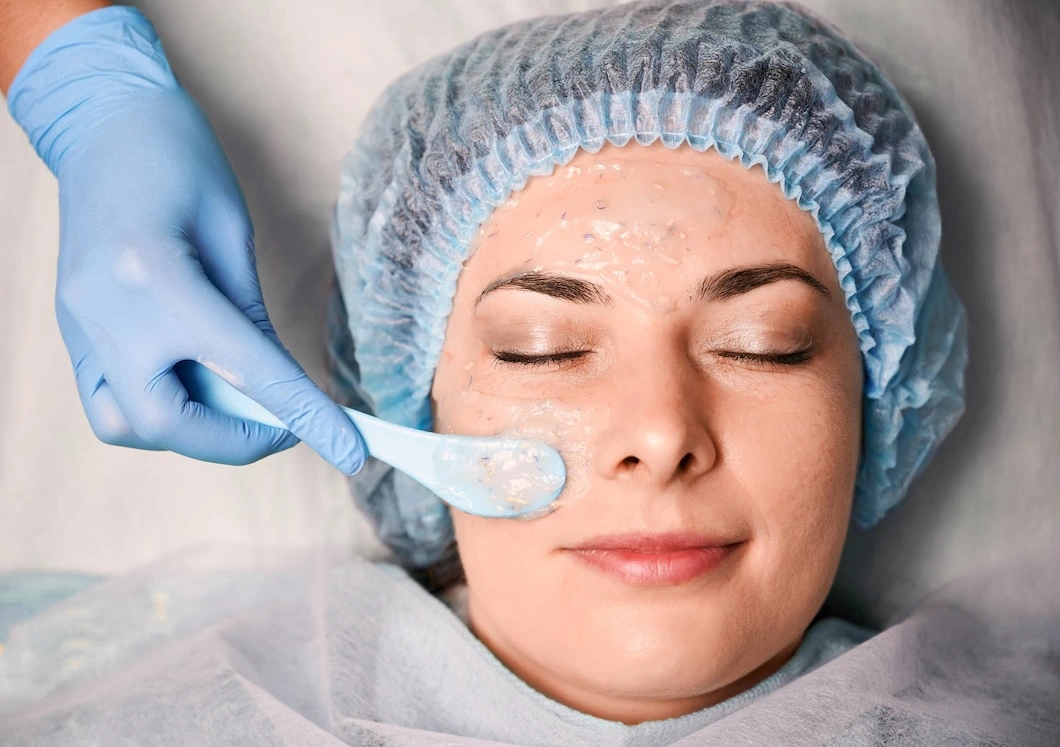
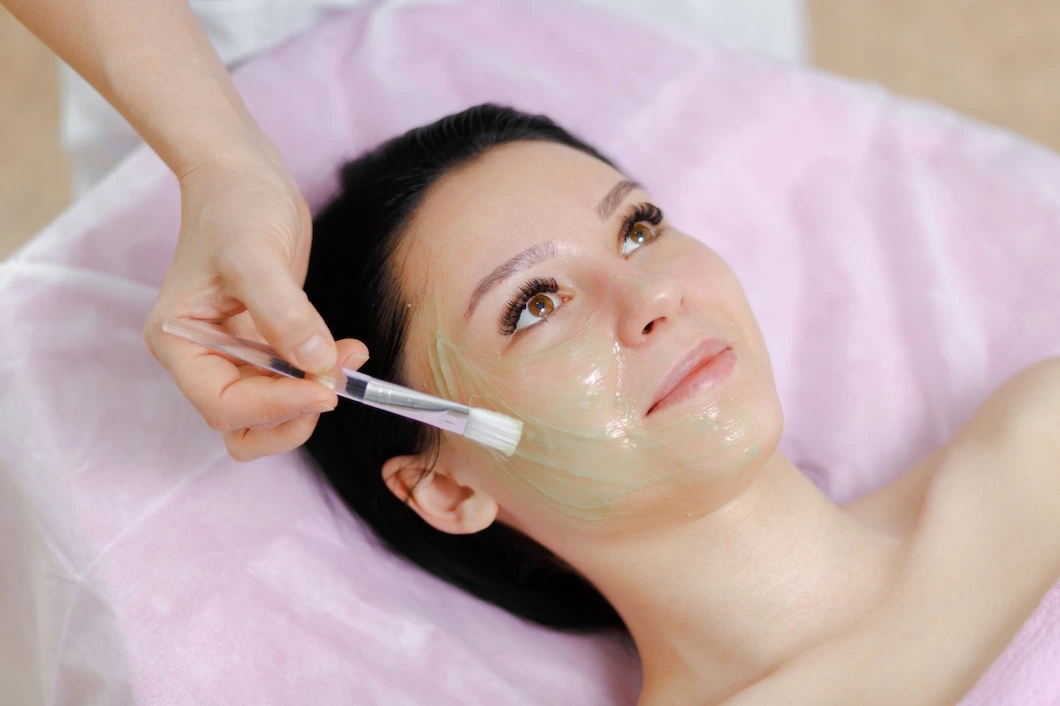
How Do Facial Skin Peels Work?
Professional Dermaceutic Chemical Peels
- Glycolic acid
- Salicylic acid
- Lactic acid
- Mandelic acid
- Trichloroacetic acid (TCA)
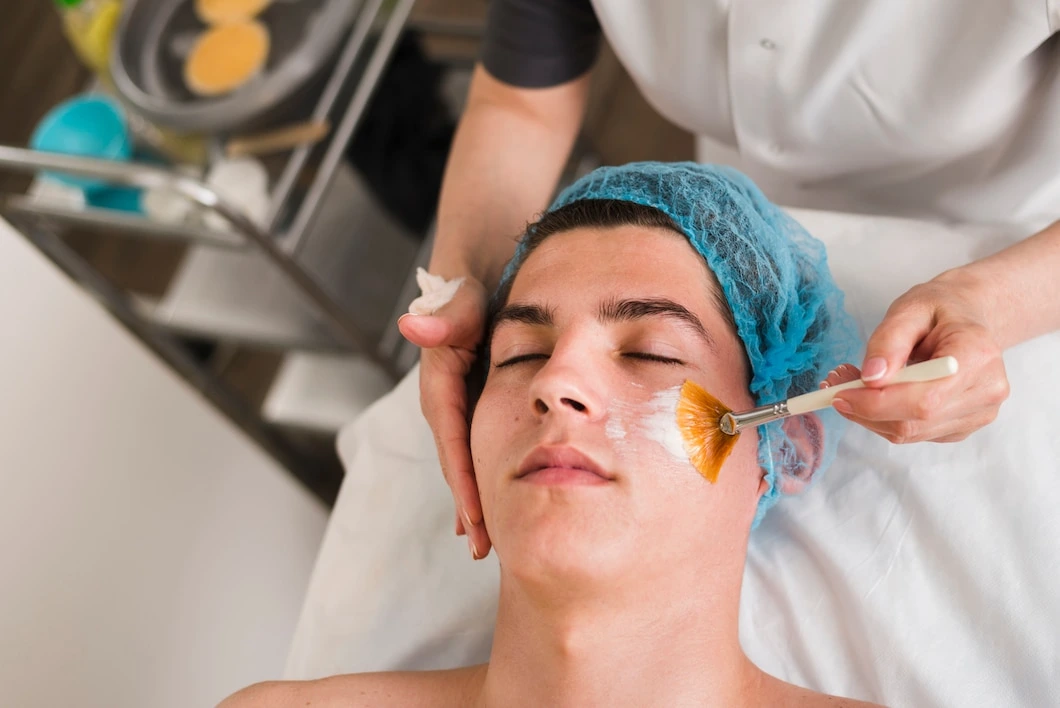
Facial Peels
Different Types of Chemical Peels
Glycolic Acid Chemical Peels
Glycolic acid is an alpha hydroxy acid (AHA) commonly used in professional skin exfoliation treatments.
Its relatively small molecular size allows it to penetrate the skin effectively, depending on its concentration and formulation.
Glycolic acid peels may be considered for patients concerned about:
- Fine facial lines
- Uneven skin texture
- Dull-looking skin
- Superficial pigmentation
- Visible signs of sun damage
- Rough skin
- Mild pore congestion
Treatment strength and frequency should be selected according to individual skin characteristics and tolerance.
Salicylic Acid Chemical Peels
Salicylic acid is a beta hydroxy acid (BHA) commonly used in treatments for oily, congested and acne-prone skin.
Its oil-soluble properties allow it to penetrate oily areas and help exfoliate within pores.
Salicylic acid peels may be considered for:
- Oily skin
- Blackheads
- Whiteheads
- Congested pores
- Acne-prone skin
- Uneven skin texture
- Excess surface oil
Patients with certain allergies, medical conditions or active skin irritation may not be suitable for salicylic acid treatments.
Lactic Acid Chemical Peels
Lactic acid is an alpha hydroxy acid used in selected skin exfoliation and rejuvenation formulations.
Depending on its concentration and formulation, lactic acid may help improve superficial skin texture, uneven tone and the appearance of dull-looking skin.
Lactic acid peels may be considered for:
- Dull and tired-looking skin
- Uneven skin tone
- Superficial pigmentation
- Fine facial lines
- Rough skin texture
- Selected skin rejuvenation concerns
An individual assessment is necessary to establish whether a lactic acid formulation is appropriate for sensitive or dehydrated skin.
Mandelic Acid Chemical Peels
Mandelic acid is an alpha hydroxy acid with a larger molecular structure than glycolic acid.
Its relatively gradual penetration can make certain mandelic acid formulations suitable for patients requiring a more measured exfoliation approach.
Mandelic acid peels may be considered for:
- Acne-prone skin
- Uneven pigmentation
- Congested pores
- Superficial skin blemishes
- Uneven skin texture
- Selected signs of skin ageing
Treatment suitability depends on the formulation used and individual skin characteristics.
Trichloroacetic Acid (TCA) Chemical Peels
Trichloroacetic acid, commonly known as TCA, is used in professional chemical peel formulations that can produce different depths of controlled skin exfoliation.
Depending on its concentration, formulation and application, TCA may be used to address selected concerns involving pigmentation, skin texture and visible signs of ageing.
TCA chemical peels may be considered for:
- Fine lines and superficial wrinkles
- Selected pigmentation concerns
- Sun-damaged skin
- Uneven skin texture
- Certain superficial acne scars
- Visible signs of skin ageing
Stronger TCA treatments may involve more noticeable skin peeling, redness and recovery time.
An appropriate clinical assessment is particularly important when considering treatments that penetrate beyond the skin’s superficial layers.
Superficial and Medium-Depth Chemical Peels
Chemical peels are generally classified according to the depth at which they affect the skin.
Superficial Chemical Peels
Superficial chemical peels primarily affect the outer layers of the skin.
They may be considered for mild pigmentation, dull-looking skin, superficial fine lines, congestion and uneven skin texture.
Recovery requirements are generally less extensive than those associated with deeper chemical peels, although temporary redness, dryness, sensitivity and flaking can occur.
A course of treatments may be recommended depending on the skin concern being addressed.
Medium-Depth Chemical Peels
Medium-depth chemical peels penetrate more deeply than superficial peels and may be considered for selected concerns involving pigmentation, sun damage, superficial scarring and visible signs of ageing.
These treatments generally involve greater recovery requirements and carry additional risks, including prolonged redness, pigmentation changes and scarring.
Not every patient or skin type is suitable for medium-depth chemical peels.
Your practitioner will explain the treatment depth, expected recovery and potential risks associated with any peel recommended to you.
Chemical Peels for Acne and Acne-Prone Skin
Acne can develop when hair follicles become blocked by excess oil, dead skin cells and other factors contributing to inflammation and congestion.
Although acne is commonly associated with adolescence, many adults continue to experience breakouts throughout their twenties, thirties, forties and later life.
Selected chemical peels may help manage certain aspects of acne-prone skin by encouraging exfoliation and reducing pore congestion.
Patients frequently seek advice about:
- Persistent facial breakouts
- Adult acne
- Hormonal acne
- Oily skin
- Blackheads
- Whiteheads
- Congested pores
- Uneven skin texture following acne
- Dark marks left by previous breakouts
Salicylic acid, glycolic acid and other selected peel formulations may be considered depending on the nature and severity of the skin concern.
Chemical peels are not suitable for every type of acne. Patients experiencing severe, painful, cystic or actively inflamed acne may require assessment and treatment through their GP or a dermatologist.
Chemical Peels for Acne Scarring and Post-Acne Marks
Acne can leave visible changes in the skin after active breakouts have improved.
These changes may include superficial textural irregularities, discolouration, post-inflammatory pigmentation and different types of acne scars.
Selected chemical peels may help improve the appearance of superficial acne-related skin changes by encouraging controlled exfoliation and skin renewal.
Patients may seek treatment for:
- Uneven skin texture following acne
- Superficial acne scars
- Brown marks left by previous breakouts
- Post-inflammatory hyperpigmentation
- Rough or irregular skin texture
- Dull-looking skin following acne
Deeper acne scars, including ice-pick, rolling and boxcar scars, may require alternative or specialist treatment approaches.
Chemical peels cannot guarantee the complete removal of acne scars.
An individual consultation can help establish realistic expectations and determine whether professional skin peels may be appropriate.
Chemical Peels for Pigmentation and Uneven Skin Tone
Skin pigmentation occurs when changes in melanin production cause certain areas of the skin to appear darker than others.
Pigmentation can develop through sun exposure, hormonal changes, ageing, previous skin inflammation and other contributing factors.
Selected chemical peels may help improve the appearance of certain forms of superficial pigmentation and uneven skin tone.
Common concerns include:
- Sun spots
- Age spots
- Brown facial patches
- Post-inflammatory hyperpigmentation
- Uneven facial complexion
- Superficial sun-related pigmentation
- Selected hormonal pigmentation concerns
Some pigmentation conditions, including melasma, require particularly careful assessment because unsuitable treatments can worsen pigmentation.
Patients with darker skin tones or a history of post-inflammatory hyperpigmentation may require a modified treatment approach.
Unidentified, changing or suspicious pigmented skin lesions should receive appropriate medical assessment before cosmetic treatment is considered.
Chemical Peels for Sun Damage and Age Spots
Repeated exposure to ultraviolet radiation can contribute to premature skin ageing, pigmentation changes and alterations in skin texture.
Over time, patients may notice brown spots, uneven complexion, fine lines and rough-looking skin across areas regularly exposed to sunlight.
Selected chemical peels may help improve the appearance of certain superficial signs of sun-related skin ageing.
Treatment concerns may include:
- Facial age spots
- Superficial sun spots
- Uneven skin tone
- Fine lines associated with sun exposure
- Rough skin texture
- Dull or uneven complexion
Chemical peels cannot reverse all forms of sun damage or treat skin cancer.
Persistent rough patches, changing moles and unusual skin lesions should be medically assessed before treatment.
Regular sun protection remains important before and after chemical peel treatments.
Chemical Peels for Fine Lines, Wrinkles and Ageing Skin
As the skin ages, changes in collagen, elastin, hydration and natural cell renewal can contribute to the development of fine lines, wrinkles and uneven skin texture.
Professional chemical peels may help improve the appearance of selected superficial signs of ageing through controlled exfoliation and skin renewal.
Patients frequently seek advice about:
- Fine forehead lines
- Superficial lines around the mouth
- Fine lines around the eyes
- Crepey-looking skin
- Dull or tired-looking complexion
- Uneven skin texture
- Age-related pigmentation
- Premature signs of facial ageing
Chemical peels may form part of a broader skin rejuvenation approach.
However, chemical peels cannot restore significant lost facial volume, remove substantial excess skin or eliminate deep facial wrinkles.
Your practitioner can discuss whether chemical peels or alternative skin rejuvenation treatments may be more appropriate for your concerns.
Chemical Peels for Enlarged Pores, Blackheads and Congested Skin
Enlarged-looking pores and skin congestion are common concerns, particularly around the nose, forehead, chin and cheeks.
Excess oil, accumulated dead skin cells and other factors can contribute to blocked pores, blackheads and uneven skin texture.
Selected chemical peel formulations may help exfoliate the skin, reduce congestion and improve the appearance of enlarged pores.
Patients may consider treatment for:
- Blackheads on the nose
- Congested facial pores
- Whiteheads
- Oily forehead and chin
- Enlarged-looking pores on the cheeks
- Rough facial texture
- Persistent skin congestion
Although chemical peels may improve the appearance of pores, they cannot permanently close or eliminate them.
Appropriate skincare and ongoing skin management may help maintain improvements.
Chemical Peels for Dull and Tired-Looking Skin
A dull-looking complexion can develop through accumulated dead skin cells, ageing, environmental exposure, dehydration and changes in natural skin renewal.
Patients may notice that their skin appears less radiant, uneven or rougher than previously.
Selected professional facial peels may help remove accumulated surface skin cells and improve the appearance of skin texture and brightness.
Patients may consider facial rejuvenation peels for:
- Dull-looking facial skin
- Tired-looking complexion
- Rough or uneven skin
- Loss of natural-looking radiance
- Uneven facial tone
- Skin that appears congested
- Early visible signs of ageing
The most appropriate peel depends on the underlying skin concern, skin sensitivity and individual treatment objectives.
Chemical Peels During Menopause and Perimenopause
Hormonal changes during menopause and perimenopause can affect the skin in several ways.
Changes in oestrogen levels may contribute to reduced collagen, altered skin hydration, increased sensitivity and changes in skin elasticity.
Some women also experience adult acne, pigmentation and uneven skin texture during this stage of life.
Common skin concerns during menopause and perimenopause include:
- Dry or dehydrated-looking skin
- Fine facial lines
- Reduced skin elasticity
- Dull-looking complexion
- Uneven pigmentation
- Adult hormonal acne
- Rough skin texture
- Increased skin sensitivity
- Visible signs of accelerated skin ageing
Selected chemical peel formulations may help improve aspects of skin texture, superficial pigmentation and visible skin ageing.
However, menopausal skin may be more sensitive and require a gentler, individually tailored treatment approach.
Chemical peels do not address the underlying hormonal changes associated with menopause.
At MedSkin Clinic, our nursing team can assess your individual skin concerns and discuss appropriate professional skin rejuvenation options.
Chemical Peels and Facial Skin Treatments for Men
Professional chemical peels are suitable for both men and women, subject to individual skin assessment.
Men frequently seek advice about skin congestion, oily skin, enlarged pores, acne scarring, pigmentation and visible signs of facial ageing.
Common concerns include:
- Blackheads and congested pores
- Oily facial skin
- Acne-prone skin
- Superficial acne scarring
- Uneven skin texture
- Sun damage
- Fine facial lines
- Dull and tired-looking skin
- Selected shaving-related skin concerns
Chemical peel suitability may be influenced by shaving habits, facial hair, skin sensitivity and existing skincare products.
Our nursing team provides discreet, personalised consultations for men seeking professional skin rejuvenation and facial skin treatments.
Which Areas of the Body Can Be Treated with Chemical Peels?
Although chemical peels are most commonly associated with facial skin rejuvenation, selected professional formulations may also be suitable for other areas of the body.
Chemical Peels for the Face
Facial peels may be considered for uneven skin texture, fine lines, superficial pigmentation, congestion, acne-prone skin and dull-looking complexion.
Treatment is tailored to the characteristics and sensitivity of different facial areas.
Chemical Peels for the Back
The back can be affected by acne, congested pores, excess oil and post-inflammatory pigmentation.
Selected chemical peel formulations may help improve the appearance of certain superficial skin concerns affecting the back.
Patients experiencing extensive or severe back acne may require specialist medical treatment.
Chemical Peels for the Shoulders
The shoulders are frequently exposed to sunlight and may also be affected by acne, pigmentation and uneven skin texture.
Suitable chemical peel formulations may be considered for selected superficial concerns following an individual assessment.
Skin characteristics vary between different areas of the body, and a peel suitable for the face may not necessarily be appropriate for another treatment area.
What Are the Potential Benefits of Professional Chemical Peels?
Depending on the type of peel selected, treatment depth and individual skin characteristics, potential benefits may include:
- Smoother-looking skin
- Improved superficial skin texture
- More even-looking skin tone
- Improved appearance of selected pigmentation concerns
- Reduced appearance of superficial fine lines
- Improved appearance of congested pores
- Reduced accumulation of dead skin cells
- Improved appearance of certain superficial acne marks
- Brighter-looking complexion
- Improved appearance of selected signs of sun-related ageing
- Support for natural skin renewal
Treatment outcomes vary between individuals.
Some skin concerns may require a course of treatments, ongoing skincare or alternative clinical approaches.
Who Is Suitable for Chemical Peels?
Professional chemical peels may be suitable for adults seeking to improve selected aspects of their skin’s appearance, texture and tone.
However, treatment suitability depends on several factors, including:
- Individual skin type and tone
- Skin sensitivity
- Existing skin conditions
- Medical history
- Current medications
- Previous aesthetic or skin treatments
- History of pigmentation changes
- Recent sun exposure
- Current skincare products
- Previous reactions to chemical peels
- Individual treatment expectations
Patients with active skin infections, open wounds, significant skin irritation, certain medical conditions or a history of abnormal scarring may not be suitable for particular chemical peel treatments.
Pregnant or breastfeeding patients, individuals using certain acne medications and patients with a history of cold sores should inform their practitioner during the consultation.
At MedSkin Clinic, every treatment recommendation begins with an individual assessment to establish whether a chemical peel is clinically appropriate.
Personalised Chemical Peel Consultations at MedSkin Clinic
Choosing the correct chemical peel is an important part of achieving appropriate treatment outcomes while minimising unnecessary risks.
At MedSkin Clinic, our professional nursing team provides personalised consultations to assess your skin concerns, medical history, previous treatments and individual objectives.
During your free, no-obligation initial consultation, we can discuss:
- Your primary skin concerns
- Your skin type and sensitivity
- Previous skincare and aesthetic treatments
- Suitable chemical peel formulations
- Potential treatment benefits and limitations
- Possible side effects
- Expected recovery requirements
- Recommended treatment frequency
- Appropriate skincare and aftercare
- Treatment costs
We welcome patients at our Nottingham, Newark-on-Trent and Chesterfield clinics, together with patients travelling from Derby and the surrounding areas.
Our approach focuses on professional nursing care, individual treatment suitability, realistic expectations and informed decision-making.
Preparing for Your Chemical Peel Treatment
Appropriate preparation is an important part of professional chemical peel treatment and may help minimise unnecessary skin irritation and potential complications.
Before recommending a chemical peel, our nursing team will assess your skin condition, medical history, current skincare routine and previous aesthetic treatments.
Depending on the type of chemical peel recommended, your practitioner may advise you to:
- Avoid excessive sun exposure before treatment.
- Use an appropriate broad-spectrum sunscreen.
- Temporarily discontinue selected exfoliating skincare products.
- Avoid retinol and retinoid products where clinically appropriate.
- Avoid facial waxing and other potentially irritating treatments.
- Inform your practitioner about prescription skincare products.
- Disclose any history of cold sores or skin infections.
- Inform your practitioner about recent laser or aesthetic treatments.
- Avoid attending your appointment with sunburned or significantly irritated skin.
Preparation requirements vary depending on the strength and formulation of the chemical peel.
Patients should not discontinue prescribed medication without appropriate medical advice.
Your practitioner will provide individual preparation instructions before your treatment appointment.
What Happens During a Professional Chemical Peel?
At MedSkin Clinic, chemical peel treatments are individually planned according to your skin concerns, skin type and clinical suitability.
Step 1 – Initial Skin Consultation
Your practitioner will discuss your skin concerns, medical history, previous treatments and desired outcomes.
This assessment helps establish whether a chemical peel is appropriate and which formulation may be suitable.
Step 2 – Skin Preparation
Before applying the chemical peel, the treatment area is cleansed to remove makeup, surface oils and skincare products.
Depending on the formulation selected, additional skin preparation may be required.
Step 3 – Application of the Chemical Peel
The selected chemical peel formulation is carefully applied to the treatment area by your practitioner.
During application, you may experience temporary sensations including warmth, tingling, itching or stinging.
The intensity of these sensations varies depending on the treatment formulation, skin sensitivity and treatment depth.
Step 4 – Monitoring and Completion of Treatment
Your practitioner will monitor your skin’s response throughout the procedure.
Depending on the product used, the chemical peel may be neutralised, removed or managed according to the manufacturer’s clinical instructions.
Step 5 – Post-Treatment Skincare and Aftercare
Following treatment, appropriate skincare products may be applied to support skin comfort and protection.
Your practitioner will explain the expected recovery process, recommended skincare routine, sun protection requirements and any activities that should temporarily be avoided.
How Long Does a Chemical Peel Treatment Take?
The duration of a professional chemical peel appointment depends on the treatment formulation, treatment area and individual clinical requirements.
Many superficial facial peel procedures can be completed within approximately 30–45 minutes, although additional time may be required for consultation, preparation and aftercare advice.
Treatments involving larger areas, such as the back or shoulders, may require additional appointment time.
Your practitioner will explain the anticipated treatment duration before your appointment.
Are Chemical Peels Painful?
The level of discomfort experienced during a chemical peel varies between individuals and depends on the formulation, treatment strength and depth of exfoliation.
Superficial chemical peels may cause temporary sensations including:
- Mild tingling
- Warmth
- Stinging
- Itching
- Temporary skin tightness
- Mild discomfort
Stronger chemical peels may produce more noticeable discomfort and require additional recovery time.
Our nursing team will monitor your skin throughout the procedure and explain what sensations may be expected.
Patients should immediately inform their practitioner if they experience significant discomfort or an unexpected reaction during treatment.
Chemical Peel Recovery and Downtime
Recovery following a chemical peel depends on several factors, including the formulation used, treatment depth, individual skin sensitivity and the area treated.
Recovery Following Superficial Chemical Peels
Superficial chemical peels generally involve less recovery time than deeper treatments.
Patients may experience temporary:
- Skin redness
- Mild sensitivity
- Dryness
- Skin tightness
- Light flaking
- Increased sensitivity to sunlight
Some patients experience little visible peeling, while others notice more noticeable exfoliation over the following days.
Recovery Following Medium-Depth Chemical Peels
Medium-depth chemical peels generally require a longer recovery period and may produce more noticeable skin changes.
These may include:
- Increased redness
- Visible skin peeling
- Temporary swelling
- Skin sensitivity
- Dryness and crusting
- Temporary changes in skin colour
Recovery may take approximately one to two weeks, although redness and sensitivity can persist for longer.
Your practitioner will explain the anticipated recovery requirements associated with any recommended treatment.
What Will My Skin Look Like After a Chemical Peel?
Skin appearance immediately following a chemical peel varies depending on the product used and individual skin response.
Some patients experience mild redness and temporary tightness, while others may develop visible flaking or peeling during the following days.
The skin may temporarily appear:
- Pink or red
- Dry or tight
- Slightly swollen
- More sensitive than usual
- Uneven during the exfoliation process
- Flaky or visibly peeling
These effects may form part of the expected recovery process.
However, significant pain, blistering, worsening swelling or unexpected skin changes should be reported promptly to your practitioner.
Patients should avoid picking, scratching or manually removing peeling skin, as this may increase the risk of irritation, infection, pigmentation changes and scarring.
Does Your Skin Have to Peel for a Chemical Peel to Work?
No. Visible skin peeling is not necessarily an indication of treatment effectiveness.
Some superficial chemical peels encourage exfoliation without producing significant visible shedding.
The amount of peeling experienced depends on factors including:
- The chemical peel formulation
- Treatment concentration and depth
- Individual skin characteristics
- Previous skincare treatments
- Skin preparation
- Individual skin response
A stronger reaction does not automatically indicate a better treatment outcome.
At MedSkin Clinic, our approach focuses on selecting an appropriate treatment for your skin rather than pursuing unnecessary levels of exfoliation.
When Will I See Results Following a Chemical Peel?
The time required to notice changes following a chemical peel varies depending on the treatment selected and the skin concern being addressed.
Some patients may notice improvements in superficial skin texture or complexion after the initial recovery period.
Other concerns, including pigmentation, acne-related skin changes and visible signs of ageing, may require a course of treatments and ongoing skincare.
Treatment outcomes may develop gradually as the skin recovers and renews itself.
Chemical peels cannot guarantee immediate results or the complete removal of wrinkles, pigmentation or acne scars.
Your practitioner will discuss realistic expectations during your consultation.
How Long Do Chemical Peel Results Last?
The duration of improvements following a chemical peel varies between individuals.
Factors that may influence treatment outcomes include:
- Natural skin ageing
- Sun exposure
- Hormonal changes
- Individual skin type
- The original skin concern
- Treatment formulation
- Skincare routine
- Lifestyle factors
- Ongoing skin conditions
- Adherence to recommended aftercare
Chemical peels do not permanently prevent the natural ageing process or eliminate the underlying causes of every skin concern.
Appropriate skincare, regular sun protection and individually recommended maintenance treatments may help support longer-term improvements.
How Many Chemical Peel Treatments Will I Need?
The number of chemical peel treatments required depends on your individual skin concerns and desired outcomes.
Some patients may choose an individual facial peel to address superficial skin dullness or uneven texture.
Others may benefit from a planned course of treatments for concerns such as:
- Persistent skin congestion
- Acne-prone skin
- Superficial acne marks
- Uneven pigmentation
- Sun-related skin changes
- Fine facial lines
- Uneven skin texture
- Visible signs of skin ageing
Treatment intervals should allow sufficient time for the skin to recover.
The appropriate frequency varies depending on the formulation and depth of the chemical peel.
Your practitioner will recommend an individual treatment schedule rather than applying a fixed treatment programme to every patient.
Chemical Peel Aftercare Advice
Following appropriate aftercare instructions is an important part of professional chemical peel treatment.
The skin may become temporarily more sensitive following exfoliation, making suitable skincare and environmental protection particularly important.
Depending on the chemical peel performed, your practitioner may recommend:
- Using a gentle facial cleanser.
- Applying a suitable moisturiser.
- Using broad-spectrum SPF 30 or higher sun protection, preferably SPF 50.
- Avoiding prolonged direct sunlight.
- Avoiding sunbeds and artificial tanning.
- Avoiding facial scrubs and exfoliating products.
- Temporarily avoiding retinol and selected active skincare ingredients.
- Avoiding picking or scratching peeling skin.
- Avoiding excessive heat, saunas and steam rooms during initial recovery.
- Temporarily avoiding strenuous exercise where advised.
- Avoiding facial waxing and other potentially irritating treatments until the skin has recovered.
- Following individual instructions regarding makeup application.
Aftercare requirements vary according to the treatment performed.
Your practitioner will advise when it is appropriate to resume your usual skincare routine and other aesthetic treatments.
Why Is Sun Protection Important After a Chemical Peel?
Following a chemical peel, the skin may be more vulnerable to ultraviolet radiation and environmental irritation.
Excessive sun exposure during recovery can increase the risk of:
- Sunburn
- Skin irritation
- Post-inflammatory hyperpigmentation
- Uneven skin tone
- Prolonged redness
- Further sun-related skin damage
Appropriate sun protection is particularly important for patients receiving treatment for pigmentation, melasma, age spots or sun-damaged skin.
Regular use of suitable broad-spectrum sunscreen, together with protective clothing and avoidance of excessive sun exposure, may help protect the skin during recovery.
Sun protection should remain part of your ongoing skincare routine, rather than being limited to the days immediately following treatment.
Can I Wear Makeup After a Chemical Peel?
The appropriate time to resume wearing makeup depends on the type of chemical peel performed and the condition of your skin following treatment.
Some superficial treatments may require only a short period without makeup, while stronger chemical peels may require a longer recovery period.
Applying makeup to significantly irritated, damaged or actively peeling skin may increase discomfort and interfere with recovery.
Your practitioner will provide individual advice regarding makeup, skincare products and when your normal routine can safely resume.
Are Professional Chemical Peels Safe?
Chemical peels are established skin treatments that can be appropriate for selected patients when performed using suitable products, clinical assessment and professional treatment protocols.
However, all chemical peels carry potential risks, and no treatment can be considered completely risk-free.
Treatment safety depends on factors including:
- Appropriate patient selection
- Individual skin type and medical history
- Correct chemical peel formulation
- Treatment strength and depth
- Professional application
- Monitoring of skin response
- Appropriate preparation
- Adherence to aftercare instructions
At MedSkin Clinic, our nursing team assesses individual treatment suitability before recommending a chemical peel.
Patients are encouraged to discuss any concerns, previous reactions or existing medical conditions during their consultation.
Potential Side Effects and Risks of Chemical Peels
Although many patients tolerate appropriately selected superficial chemical peels, temporary side effects can occur.
These may include:
- Redness
- Tingling or stinging
- Dryness
- Skin tightness
- Mild swelling
- Temporary sensitivity
- Visible flaking or peeling
- Temporary changes in skin appearance
Less common but potentially more significant complications may include:
- Prolonged redness
- Blistering
- Chemical burns
- Skin infections
- Cold sore reactivation
- Post-inflammatory hyperpigmentation
- Loss of skin pigmentation
- Persistent skin sensitivity
- Scarring
- Allergic reactions
The likelihood and severity of complications vary according to the treatment formulation, depth and individual patient characteristics.
Patients experiencing severe pain, blistering, spreading redness, discharge or worsening swelling following treatment should seek prompt medical advice.
Difficulty breathing or signs of a severe allergic reaction require emergency medical attention.
Your practitioner will explain relevant risks and potential complications before treatment.
Chemical Peels for Different Skin Types and Skin Tones
Different skin types respond differently to chemical exfoliation.
Factors such as natural skin pigmentation, sensitivity, oil production, previous inflammation and existing skin conditions can influence treatment suitability.
Patients with darker skin tones may be more susceptible to post-inflammatory hyperpigmentation following inappropriate or excessively aggressive chemical peel treatments.
Similarly, patients with sensitive skin, rosacea, eczema or a compromised skin barrier may require a modified treatment approach or may not be suitable for certain formulations.
An individual skin assessment is important when selecting an appropriate chemical peel.
At MedSkin Clinic, treatment recommendations are based on individual skin characteristics rather than a standard treatment approach for every patient.
Chemical Peels Compared with At-Home Facial Peels
At-home exfoliating products and professional chemical peels differ in their formulation, concentration, application and potential effects on the skin.
Over-the-counter skincare products generally provide more gradual exfoliation and are intended for use according to the manufacturer’s instructions.
Professional chemical peels may use different formulations or strengths and require appropriate clinical assessment and application.
Attempting to reproduce professional chemical peel treatments at home using high-strength acids can increase the risk of chemical burns, pigmentation changes, infection and permanent scarring.
Professional consultation can help establish whether a chemical peel is appropriate and which treatment formulation may be suitable for your skin concerns.
Chemical Peels Compared with Other Skin Rejuvenation Treatments
Chemical peels are one of several non-surgical approaches available for improving selected aspects of skin appearance.
Different treatments address different skin concerns.
Chemical peels primarily focus on controlled exfoliation and selected aspects of skin renewal.
Other aesthetic treatments may be more appropriate for concerns involving:
- Significant facial volume loss
- Deep facial folds
- Pronounced facial wrinkles
- Loss of facial definition
- Significant skin laxity
- Deeper acne scarring
- Other complex skin concerns
For example, dermal fillers are designed to address selected volume-related concerns, whereas chemical peels primarily address aspects of skin texture, tone and superficial skin changes.
Your practitioner can discuss whether chemical peels or alternative treatments may be more appropriate for your individual objectives.
How Much Do Chemical Peels Cost?
The cost of professional chemical peel treatment depends on several factors, including the formulation selected, treatment area and individual treatment requirements.
Factors influencing treatment costs may include:
- The type of chemical peel
- Treatment formulation and strength
- Size of the treatment area
- Number of recommended treatments
- Individual skin concerns
- Additional skincare requirements
- Whether an individual treatment or course is recommended
At MedSkin Clinic, we provide free, no-obligation initial consultations to discuss your skin concerns, treatment suitability and applicable costs.
Our team will explain relevant treatment prices before you decide whether to proceed.
Please contact MedSkin Clinic or visit our treatment pricing page for current prices.
Chemical Peels and Facial Skin Rejuvenation in Nottingham, Newark, Chesterfield and Derby
MedSkin Clinic provides professional, nurse-led chemical peel consultations and skin rejuvenation treatments for patients across Nottinghamshire, Derbyshire and surrounding communities.
We welcome patients seeking advice about acne-prone skin, pigmentation, superficial acne scars, fine lines, wrinkles, enlarged pores, sun damage and uneven skin texture.
Our clinics in Nottingham, Newark-on-Trent and Chesterfield provide professional consultations in a discreet clinical environment.
Patients from Derby and surrounding areas can also contact our team to arrange an appointment at an available clinic.
Chemical Peels and Facial Skin Peels Nottingham
MedSkin Clinic Nottingham is located within a historic Grade II listed building in the Lace Market, providing a professional and discreet environment for patients considering chemical peels and non-surgical skin rejuvenation treatments.
Our Nottingham clinic welcomes patients experiencing a wide range of skin concerns, including acne-prone skin, superficial acne scarring, pigmentation, age spots, enlarged pores, fine facial lines and uneven skin texture.
Patients frequently seek professional facial peel treatments after finding that conventional skincare products have provided limited improvement in their skin’s appearance.
Our nursing team can assess individual skin characteristics, discuss previous skincare treatments and recommend suitable professional chemical peel formulations where appropriate.
We also welcome women experiencing changes in skin texture, hydration, pigmentation or adult acne during menopause and perimenopause, together with men seeking professional treatment for congested, oily or ageing skin.
During your free initial consultation, we will discuss your skin concerns, potential treatment benefits, expected recovery requirements and appropriate aftercare.
Our Nottingham clinic welcomes patients from:
- Nottingham city centre
- West Bridgford
- Beeston
- Arnold
- Mapperley
- Wollaton
- Carlton
- Ruddington
- Clifton
- Gedling
- Radcliffe-on-Trent
- surrounding Nottinghamshire communities
Whether you are searching for chemical peels in Nottingham, facial peels for acne scars, pigmentation treatments or professional skin rejuvenation, MedSkin Clinic provides personalised consultations focused on individual skin suitability and realistic treatment expectations.
Chemical Peels and Facial Skin Peels Newark-on-Trent
MedSkin Clinic Newark-on-Trent provides professional, nurse-led skin consultations for patients considering chemical peels, facial skin rejuvenation and treatments for uneven skin tone and texture.
Skin concerns can develop at different stages of life and may be influenced by natural ageing, hormonal changes, sun exposure, previous acne and environmental factors.
Our Newark clinic welcomes patients concerned about fine facial lines, dull-looking skin, enlarged pores, persistent congestion, superficial acne scars, pigmentation and visible signs of premature skin ageing.
Professional chemical peels may be considered for individuals seeking a non-surgical approach to improving selected aspects of their skin’s appearance.
Our nursing team provides personalised assessments to establish which chemical peel formulation may be appropriate, taking into consideration skin sensitivity, medical history, previous treatments and individual treatment objectives.
We also welcome patients seeking advice about skin changes associated with menopause and perimenopause, including increased dryness, uneven pigmentation, adult acne and changes in skin texture.
Our Newark-on-Trent clinic welcomes patients from:
- Newark-on-Trent
- Southwell
- Balderton
- Fernwood
- Collingham
- Farndon
- Bingham
- Lincoln
- Long Bennington
- Grantham
- surrounding Nottinghamshire and Lincolnshire communities
Patients searching for chemical peels in Newark, professional facial peels, skin pigmentation treatments or facial rejuvenation can contact MedSkin Clinic to arrange a free, no-obligation initial consultation.
Chemical Peels and Facial Skin Peels Chesterfield
MedSkin Clinic Chesterfield welcomes patients seeking professional chemical peel treatments, facial skin rejuvenation and personalised advice about common skin concerns.
Many individuals experience changes in skin appearance throughout adulthood, including uneven pigmentation, superficial wrinkles, sun-related skin damage, enlarged pores, acne-related marks and a gradual loss of skin radiance.
Our Chesterfield clinic provides individual consultations for patients interested in professional skin exfoliation treatments and non-surgical approaches to skin rejuvenation.
Selected chemical peel formulations may be considered for acne-prone skin, superficial acne scarring, congested pores, uneven skin tone and visible signs of ageing.
Our nursing team assesses individual skin characteristics and discusses appropriate treatment options, potential benefits, limitations and recovery requirements before recommending a treatment plan.
We welcome both men and women, including individuals experiencing adult acne, hormonal skin changes, pigmentation and increased skin sensitivity during menopause and perimenopause.
Patients with deeper acne scars, suspicious pigmentation or significant underlying skin conditions may require specialist medical assessment or alternative treatment approaches.
Our Chesterfield clinic welcomes patients from:
- Chesterfield town centre
- Brimington
- Staveley
- Dronfield
- Wingerworth
- Bolsover
- Clay Cross
- Matlock
- Hasland
- Newbold
- surrounding North Derbyshire communities
If you are searching for chemical peels in Chesterfield, facial peels for pigmentation, professional acne scar consultations or nurse-led skin rejuvenation treatments, contact MedSkin Clinic to discuss your concerns and arrange your free initial consultation.
Chemical Peels and Facial Skin Peels Near Derby
MedSkin Clinic welcomes patients from Derby and the surrounding Derbyshire areas seeking professional chemical peel consultations and non-surgical skin rejuvenation treatments.
Patients considering chemical peels may be concerned about uneven skin texture, acne-prone skin, superficial acne scars, enlarged pores, pigmentation, sun damage, age spots or visible signs of facial ageing.
Our nursing team provides personalised consultations to assess individual skin characteristics and determine whether a professional chemical peel may be appropriate.
Different chemical peel formulations have different properties, making individual assessment particularly important for patients with sensitive skin, darker skin tones, a history of pigmentation changes or previous reactions to skincare treatments.
We also welcome patients experiencing skin changes during menopause and perimenopause, including uneven pigmentation, adult acne, increased skin sensitivity and visible changes in skin texture.
Patients travelling from Derby can discuss their skin concerns, treatment preferences, anticipated recovery requirements and available appointment locations with our team.
We welcome patients from:
- Derby city centre
- Allestree
- Mickleover
- Littleover
- Chellaston
- Spondon
- Oakwood
- Borrowash
- Duffield
- Belper
- Ripley
- Melbourne
- surrounding Derbyshire communities
Whether you are searching for chemical peels near Derby, facial peels for acne scarring, skin pigmentation treatments or professional facial rejuvenation, MedSkin Clinic can help you explore suitable treatment options.
Contact our team to arrange a free, no-obligation initial consultation at an available MedSkin Clinic location.
Why Choose MedSkin Clinic for Professional Chemical Peels?
Choosing a professional clinic is an important consideration when exploring chemical peels and skin rejuvenation treatments.
At MedSkin Clinic, our approach focuses on patient safety, individual assessment, professional nursing care and informed decision-making.
Our approach includes:
- Professional nurse-led consultations
- Personalised skin assessments
- Professional Dermaceutic chemical peel formulations
- Individual treatment recommendations
- Assessment of medical history and skin suitability
- Realistic treatment expectations
- Discussion of potential benefits and limitations
- Explanation of possible side effects and complications
- Individual preparation and aftercare advice
- Transparent treatment costs
- Free, no-obligation initial consultations
- Established clinics in Nottingham, Newark-on-Trent and Chesterfield
- Convenient appointment options for patients travelling from Derby and surrounding areas
We recognise that every patient has different skin characteristics, concerns and treatment objectives.
Our aim is to recommend clinically appropriate treatments rather than encourage unnecessary procedures or make unrealistic promises about treatment outcomes.
Book Your Free Chemical Peel Consultation at MedSkin Clinic
If you are concerned about acne-prone skin, superficial acne scars, pigmentation, fine lines, enlarged pores, sun damage, uneven skin texture or visible signs of skin ageing, a professional consultation can help you explore suitable treatment options.
MedSkin Clinic provides personalised, nurse-led consultations for patients considering chemical peels, facial skin peels and non-surgical skin rejuvenation treatments.
During your free, no-obligation initial consultation, our nursing team will discuss your skin concerns, medical history, treatment suitability, potential benefits, recovery requirements and applicable costs.
We welcome patients at our clinics in Nottingham, Newark-on-Trent and Chesterfield, together with patients travelling from Derby and surrounding Nottinghamshire, Derbyshire and Lincolnshire communities.
Contact our friendly team to discuss your requirements and arrange your free initial consultation.
Telephone: 0330 113 2640
Text: 07427 800640
Email: hello@medskinclinic.co.uk
Chemical Peels and Facial Skin Peels – Frequently Asked Questions
What is a chemical peel?
+A chemical peel is a professional skin treatment that uses specially formulated exfoliating ingredients to remove selected layers of dead or damaged skin cells and encourage natural skin renewal.
Chemical peels may help improve the appearance of uneven skin texture, superficial pigmentation, fine lines, congested pores and selected acne-related skin concerns.
What is the difference between a chemical peel, facial peel and skin peel?
+Chemical peel, facial peel and skin peel are terms frequently used to describe professional chemical exfoliation treatments.
A facial peel specifically refers to treatment of the face, whereas skin peels may also be suitable for other areas of the body, including the back and shoulders.
The formulation, strength and depth of treatment determine its suitability for different skin concerns.
How do chemical peels work?
+Chemical peels use active ingredients to loosen the connections between skin cells, encouraging controlled exfoliation.
Depending on the formulation used, this process may help remove accumulated dead skin cells, improve superficial skin texture and encourage natural skin renewal.
What are the benefits of professional chemical peels?
+Depending on individual skin characteristics and the treatment selected, potential benefits may include smoother-looking skin, improved skin texture, more even-looking skin tone, reduced pore congestion and improvement in the appearance of superficial pigmentation and fine lines.
Individual treatment outcomes vary.
What chemical peels does MedSkin Clinic use?
+MedSkin Clinic uses professional chemical peel formulations from the Dermaceutic range.
Depending on the product selected, formulations may contain glycolic acid, salicylic acid, lactic acid, mandelic acid or trichloroacetic acid (TCA).
Our nursing team will discuss current product availability and suitable formulations during your consultation.
What is a glycolic acid peel?
+Glycolic acid is an alpha hydroxy acid commonly used in professional skin exfoliation treatments.
Selected glycolic acid peels may help improve the appearance of fine lines, superficial pigmentation, uneven skin texture, mild congestion and dull-looking skin.
Treatment suitability depends on the formulation, concentration and individual skin characteristics.
What is a salicylic acid peel?
+Salicylic acid is a beta hydroxy acid commonly used in treatments for oily, congested and acne-prone skin.
Its oil-soluble properties allow it to exfoliate within oily pores, making selected formulations potentially suitable for patients experiencing blackheads, whiteheads and skin congestion.
What is a lactic acid peel?
+Lactic acid is an alpha hydroxy acid used in selected professional skin exfoliation treatments.
Depending on the formulation, lactic acid peels may help improve superficial skin texture, uneven skin tone, dull-looking skin and selected signs of ageing.
What is a mandelic acid peel?
+Mandelic acid is an alpha hydroxy acid with a larger molecular structure than glycolic acid.
Certain mandelic acid formulations may provide a more gradual exfoliation approach and may be considered for acne-prone skin, superficial pigmentation, uneven skin texture and congestion.
What is a TCA chemical peel?
+TCA stands for trichloroacetic acid, an ingredient used in professional chemical peel formulations.
Depending on its concentration and formulation, TCA may produce different depths of controlled exfoliation and may be considered for selected pigmentation concerns, superficial acne scars, sun damage and visible signs of skin ageing.
Stronger TCA peels may require additional recovery time and carry greater risks.
What is the difference between superficial and medium-depth chemical peels?
+Superficial chemical peels primarily affect the outer layers of the skin and generally involve less recovery time.
Medium-depth chemical peels penetrate more deeply and may be considered for selected concerns involving pigmentation, sun damage and superficial scarring.
Medium-depth treatments generally involve more noticeable peeling, longer recovery periods and additional risks.
Your practitioner will explain which treatments are available and appropriate for your skin.
Can chemical peels help with acne?
+Selected chemical peels may help improve certain aspects of acne-prone skin by encouraging exfoliation, reducing pore congestion and helping manage excess surface oil.
Salicylic acid and glycolic acid formulations may be considered depending on individual skin characteristics.
Patients experiencing severe, painful or cystic acne may require assessment and treatment through their GP or a dermatologist.
Can chemical peels remove acne scars?
+Chemical peels may help improve the appearance of certain superficial acne scars, post-acne marks and uneven skin texture.
However, deeper acne scars, including ice-pick, rolling and boxcar scars, may require alternative or specialist treatment approaches.
Chemical peels cannot guarantee the complete removal of acne scars.
Can chemical peels help with pigmentation and dark spots?
+Selected chemical peel formulations may help improve the appearance of certain superficial pigmentation concerns, including age spots, sun spots and post-inflammatory hyperpigmentation.
Treatment suitability depends on the underlying cause of pigmentation, individual skin tone and previous skin reactions.
Unidentified or changing pigmented lesions should receive appropriate medical assessment before cosmetic treatment.
Can chemical peels help with melasma?
+Certain chemical peel formulations may be considered as part of an individual treatment approach for melasma.
However, melasma is a complex pigmentation condition that can be influenced by hormonal changes, genetics and sun exposure.
Inappropriate or excessively aggressive treatments may worsen pigmentation.
A careful skin assessment is necessary before considering treatment.
Can chemical peels help with sun-damaged skin and age spots?
+Selected chemical peels may help improve the appearance of superficial sun-related pigmentation, age spots, uneven skin texture and fine lines associated with sun exposure.
Chemical peels cannot reverse all forms of sun damage or treat skin cancer.
Persistent rough patches, changing moles and suspicious skin lesions should be medically assessed.
Can chemical peels reduce fine lines and wrinkles?
+Professional chemical peels may help soften the appearance of selected superficial fine lines and improve aspects of skin texture.
However, chemical peels cannot restore significant facial volume loss, eliminate deep wrinkles or remove substantial excess skin.
Your practitioner can discuss whether chemical peels or alternative aesthetic treatments may be appropriate.
Can chemical peels reduce enlarged pores and blackheads?
+Selected chemical peel formulations may help reduce pore congestion, remove accumulated dead skin cells and improve the appearance of blackheads and enlarged-looking pores.
Salicylic acid peels may be considered for oily and congested skin.
Chemical peels cannot permanently close or eliminate pores.
Can chemical peels improve dull and tired-looking skin?
+Yes. Selected superficial chemical peels may help improve the appearance of dull-looking skin by encouraging controlled exfoliation and removing accumulated surface skin cells.
Patients may notice improvements in skin texture, tone and radiance following recovery, although individual results vary.
Can chemical peels help with skin changes during menopause?
+Hormonal changes during menopause can contribute to reduced skin hydration, increased sensitivity, fine lines, pigmentation and changes in skin texture.
Selected chemical peel formulations may help improve certain visible skin concerns associated with menopause.
However, menopausal skin may require a gentler treatment approach, and chemical peels do not address the underlying hormonal changes.
Are chemical peels suitable during perimenopause?
+Chemical peels may be suitable for some women experiencing adult acne, uneven pigmentation, dull-looking skin and changes in skin texture during perimenopause.
Treatment recommendations should consider individual skin sensitivity, medical history, current skincare products and hormonal skin changes.
Our nursing team can discuss suitable treatment options during your consultation.
Can men have chemical peels?
+Yes. Professional chemical peels may be suitable for both men and women following an individual skin assessment.
Men frequently seek advice about oily skin, blackheads, enlarged pores, acne scarring, pigmentation, sun damage and visible signs of ageing.
Treatment recommendations may also take into consideration facial hair, shaving habits and skin sensitivity.
Can chemical peels be used on the back and shoulders?
+Yes. Selected professional chemical peel formulations may be suitable for areas including the back and shoulders.
Patients may seek treatment for superficial acne-related marks, congested pores, uneven skin texture and selected pigmentation concerns.
The skin on different areas of the body may require different treatment formulations and application protocols.
Are chemical peels suitable for sensitive skin and darker skin tones?
+Some chemical peel formulations may be suitable for sensitive skin and darker skin tones following an appropriate assessment.
Patients with darker skin tones may have an increased risk of post-inflammatory hyperpigmentation following unsuitable treatments.
Individuals with rosacea, eczema, active skin irritation or a compromised skin barrier may require a modified treatment approach or may not be suitable for certain chemical peels.
Are chemical peels painful?
+The level of discomfort varies depending on the formulation, treatment depth and individual skin sensitivity.
Some patients experience temporary warmth, tingling, itching or mild stinging during superficial chemical peel treatments.
Stronger treatments may cause more noticeable discomfort.
Your practitioner will monitor your skin’s response throughout the procedure.
How long does a chemical peel appointment take?
+Many superficial facial peel procedures can be completed within approximately 30–45 minutes, although additional time may be required for consultation, preparation and aftercare advice.
Appointment duration depends on the treatment formulation, treatment area and individual requirements.
Our team can confirm the expected appointment duration before treatment.
How long does it take to recover from a chemical peel?
+Recovery depends on the formulation, treatment depth and individual skin characteristics.
Superficial chemical peels may involve several days of mild redness, dryness, sensitivity or flaking.
Medium-depth chemical peels generally require a longer recovery period, potentially around one to two weeks, with redness sometimes persisting for longer.
Your practitioner will explain the expected recovery requirements associated with your recommended treatment.
Does my skin have to visibly peel for the treatment to work?
+No. Visible peeling is not necessarily an indication of treatment effectiveness.
Some superficial chemical peel formulations encourage exfoliation without causing significant visible shedding.
A stronger skin reaction does not automatically indicate a better treatment outcome.
The appropriate treatment strength should be determined by your individual skin characteristics and treatment objectives.
When will I see results after a chemical peel?
+Some patients may notice improvements in superficial skin texture or complexion following the initial recovery period.
Other concerns, including pigmentation, acne-related skin changes and fine lines, may require a course of treatments and ongoing skincare.
Treatment outcomes vary, and immediate improvements cannot be guaranteed.
How long do chemical peel results last?
+The duration of improvements varies depending on the treatment selected, individual skin characteristics, sun exposure, hormonal changes, natural ageing and ongoing skincare.
Chemical peels do not permanently prevent the natural ageing process.
Appropriate skincare, regular sun protection and individually recommended maintenance treatments may help support longer-term improvements.
How many chemical peel treatments will I need?
+The number of treatments required depends on your individual skin concerns, treatment objectives and the formulation selected.
Some patients may choose an individual superficial facial peel, while others may benefit from a planned course of treatments.
Treatment intervals should allow sufficient time for the skin to recover.
Your practitioner will recommend a personalised treatment schedule where appropriate.
Are chemical peels safe and can they cause side effects?
+Chemical peels are established skin treatments, but all treatments carry potential risks.
Common temporary side effects may include redness, dryness, sensitivity, tingling, mild swelling and visible peeling.
Less common but potentially more significant complications include chemical burns, blistering, infection, cold sore reactivation, pigmentation changes, allergic reactions and scarring.
An appropriate skin assessment, professional application and adherence to aftercare instructions are important in reducing unnecessary risks.
Patients experiencing severe pain, blistering or worsening symptoms should seek prompt medical advice.
What should I avoid after a chemical peel?
+Depending on the treatment performed, your practitioner may recommend temporarily avoiding:
Excessive sun exposure
Sunbeds and artificial tanning
Facial scrubs and exfoliating products
Retinol and selected active skincare ingredients
Saunas and steam rooms
Excessive heat
Facial waxing
Strenuous exercise
Picking or scratching peeling skin
Makeup until the skin has sufficiently recovered
Regular use of suitable broad-spectrum sunscreen and gentle skincare is particularly important.
Always follow the individual aftercare instructions provided by your practitioner.
Can I have a chemical peel while pregnant or breastfeeding?
+Treatment suitability during pregnancy and breastfeeding depends on the chemical peel ingredients, formulation and individual medical circumstances.
Certain chemical peel formulations may not be appropriate, and elective treatments may be postponed.
Patients who are pregnant, planning a pregnancy or breastfeeding should inform their practitioner before considering treatment.
How much do chemical peels cost at MedSkin Clinic?
+The cost of professional chemical peel treatment depends on the formulation selected, treatment area, individual skin concerns and whether a single treatment or course is recommended.
MedSkin Clinic provides free, no-obligation initial consultations to discuss treatment suitability, potential benefits, recovery requirements and applicable costs.
Please visit our treatment pricing page or contact our team for current chemical peel prices.
Where can I get professional chemical peels in Nottingham?
+MedSkin Clinic Nottingham provides professional, nurse-led consultations for patients considering chemical peels, facial skin peels and non-surgical skin rejuvenation treatments.
Our Nottingham clinic is located within a historic Grade II listed building in the Lace Market, providing a professional and discreet clinical environment.
We welcome patients seeking treatment for acne-prone skin, superficial acne scars, pigmentation, enlarged pores, fine lines, sun damage and uneven skin texture.
Our Nottingham clinic welcomes patients from Nottingham city centre, West Bridgford, Beeston, Arnold, Mapperley, Wollaton, Carlton, Ruddington, Clifton, Gedling and surrounding Nottinghamshire communities.
Contact MedSkin Clinic Nottingham to discuss professional chemical peel treatments and arrange your free, no-obligation initial consultation.
Where can I get professional chemical peels in Newark-on-Trent?
+MedSkin Clinic Newark-on-Trent provides personalised, nurse-led consultations for patients considering professional facial peels, chemical peels and skin rejuvenation treatments.
Our nursing team welcomes patients experiencing acne-prone skin, superficial acne marks, uneven pigmentation, fine facial lines, congested pores and dull or tired-looking skin.
We also provide consultations for women experiencing changes in skin texture, pigmentation and sensitivity during menopause and perimenopause.
Our Newark clinic welcomes patients from Newark-on-Trent, Southwell, Balderton, Fernwood, Collingham, Farndon, Bingham, Lincoln, Long Bennington, Grantham and surrounding Nottinghamshire and Lincolnshire communities.
Contact MedSkin Clinic Newark to arrange your free initial consultation and discuss suitable chemical peel treatment options.
Where can I get professional chemical peels in Chesterfield?
+MedSkin Clinic Chesterfield provides professional consultations for patients seeking chemical peels, facial skin rejuvenation and personalised advice about common skin concerns.
Patients may consider chemical peel treatments for superficial acne scarring, pigmentation, sun damage, enlarged pores, fine facial lines, uneven skin texture and visible signs of premature skin ageing.
Our nursing team assesses individual skin characteristics and discusses suitable formulations, potential treatment benefits, limitations and recovery requirements.
Our Chesterfield clinic welcomes patients from Chesterfield town centre, Brimington, Staveley, Dronfield, Wingerworth, Bolsover, Clay Cross, Matlock, Hasland, Newbold and surrounding North Derbyshire communities.
Contact MedSkin Clinic Chesterfield to discuss professional chemical peel treatments and arrange your free, no-obligation initial consultation.
Where can I get professional chemical peels near Derby?
+MedSkin Clinic welcomes patients from Derby and surrounding Derbyshire communities seeking professional chemical peel consultations, facial skin treatments and non-surgical skin rejuvenation.
Our nursing team can discuss treatment options for acne-prone skin, superficial acne scars, pigmentation, age spots, fine lines, sun damage, congested pores and uneven skin texture.
Patients experiencing skin changes during menopause and perimenopause can also arrange a personalised skin consultation.
We welcome patients from Derby city centre, Allestree, Mickleover, Littleover, Chellaston, Spondon, Oakwood, Borrowash, Duffield, Belper, Ripley, Melbourne and surrounding Derbyshire areas.
Patients searching for professional chemical peels near Derby can contact MedSkin Clinic to discuss suitable treatment options and arrange a free initial consultation at an available clinic.
How do I book a free chemical peel consultation at MedSkin Clinic?
+MedSkin Clinic provides free, no-obligation initial consultations for patients considering professional chemical peels, facial skin peels and non-surgical skin rejuvenation treatments.
Our nursing team will discuss your individual skin concerns, medical history, previous skincare treatments, treatment suitability, potential benefits, limitations, recovery requirements and applicable costs.
We welcome patients at our established clinics in Nottingham, Newark-on-Trent and Chesterfield, together with patients travelling from Derby and surrounding Nottinghamshire, Derbyshire and Lincolnshire communities.
Whether you are concerned about acne-prone skin, superficial acne scars, pigmentation, fine lines, enlarged pores, sun damage or uneven skin texture, our team can help you explore appropriate treatment options.
Contact MedSkin Clinic to arrange your free, no-obligation initial consultation.
Telephone: 0330 113 2640
Text: 07427 800640
Email: hello@medskinclinic.co.uk