Anti-Wrinkle Consultations– Facial Lines and Wrinkles in Nottingham, Newark and Chesterfield

Nurse-led care
NMC-Registered Nursing Team

75+ Years Combined Nursing Experience
Professional Anti-Wrinkle Consultations in Nottingham, Newark, Chesterfield and Near Derby

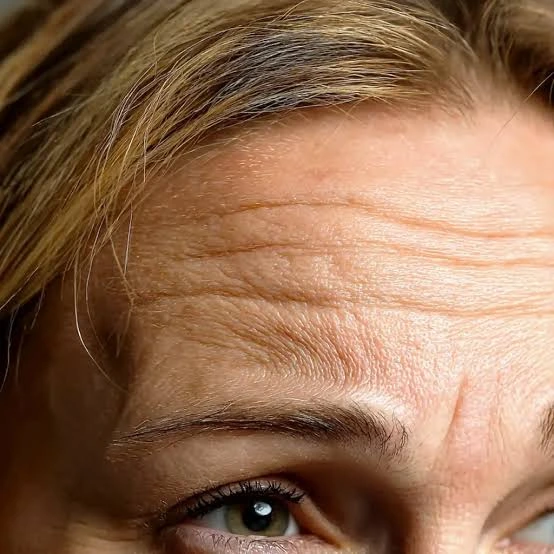
What Causes Facial Lines and Wrinkles?
- Natural ageing
- Reduced collagen production
- Loss of skin elasticity
- Repeated facial expressions
- Sun exposure and ultraviolet radiation
- Smoking
- Genetic and inherited characteristics
- Hormonal changes
- Changes in facial volume
- Environmental exposure
- Skin dryness
- Individual facial anatomy
Understanding the Different Types of Facial Wrinkles
Dynamic Wrinkles
Static Wrinkles
Facial Folds and Volume-Related Lines
Anti Wrinkles
Forehead Lines and Horizontal Forehead Wrinkles
Forehead wrinkles are among the most recognisable signs of facial ageing.
Horizontal forehead lines commonly develop through repeated activity of the frontalis muscle, which is responsible for raising the eyebrows.
These lines may initially appear only during facial expressions but can become more noticeable at rest as skin elasticity and collagen production change.
Forehead wrinkles may be influenced by:
- Repeated eyebrow movement
- Natural ageing
- Sun exposure
- Reduced skin elasticity
- Genetic characteristics
- Individual forehead anatomy
Some individuals naturally use their forehead muscles to help maintain eyebrow or upper eyelid position.
For this reason, assessing forehead muscle activity alongside eyebrow position and upper facial anatomy is particularly important.
At MedSkin Clinic, our forehead wrinkle consultations focus on identifying the type and depth of facial lines, natural muscle activity and the relationship between the forehead, eyebrows and surrounding facial structures.
Frown Lines Between the Eyebrows – Glabellar Lines
Frown lines are vertical or occasionally horizontal lines that develop between the eyebrows.
Medically referred to as glabellar lines, they are sometimes known as eleven lines because two vertical creases may resemble the number 11.
Frown lines commonly develop through repeated contraction of the muscles involved in drawing the eyebrows together.
These muscles are frequently activated during concentration, squinting, frowning and exposure to bright sunlight.
Established frown lines may create a more serious, tired or concerned facial appearance, even when an individual feels relaxed.
During a consultation, our nursing team will assess the depth of your frown lines, facial muscle activity, skin condition and natural eyebrow position.
Deeper lines that remain visible at rest may require a different approach from lines that appear primarily during facial expressions.
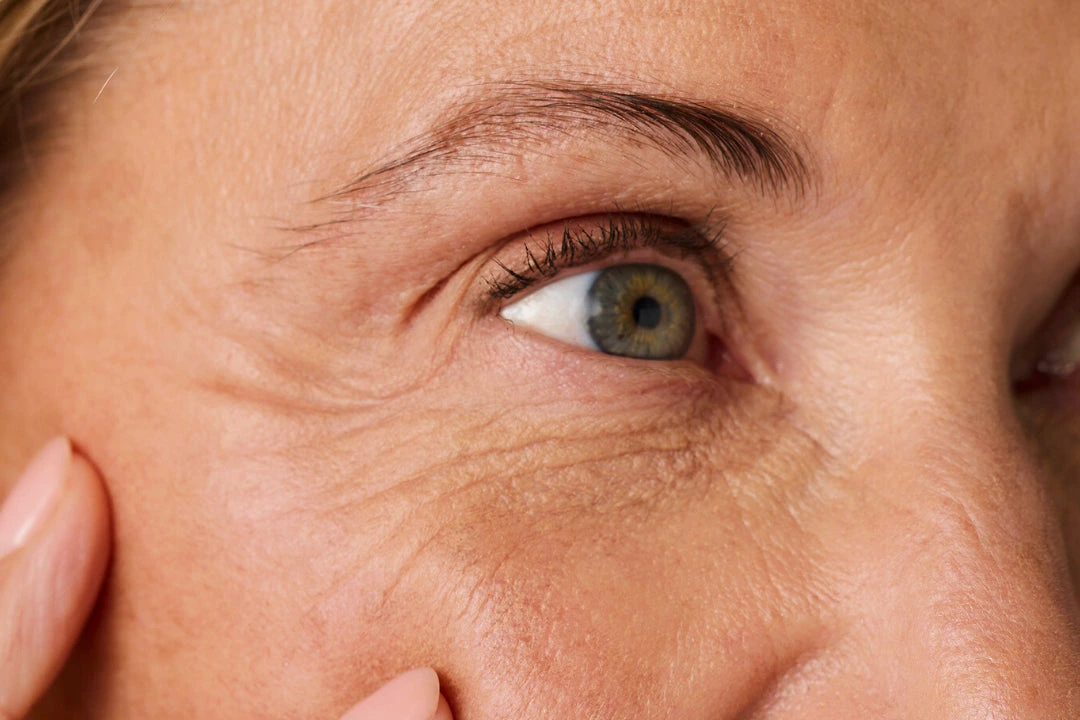
Crow’s Feet and Wrinkles Around the Eyes
Crow’s feet are fine lines that develop around the outer corners of the eyes.
They are commonly associated with smiling, laughing and squinting and may become increasingly noticeable as the skin loses elasticity.
The skin surrounding the eyes is relatively delicate and can be particularly affected by natural ageing, sun exposure and changes in collagen production.
Common concerns include:
- Fine lines around the outer eyes
- Wrinkles when smiling
- Established lines visible at rest
- Changes in skin texture
- Reduced elasticity around the eye area
Crow’s feet are a natural part of facial expression and ageing.
Our nursing team will assess the surrounding skin, facial muscle activity and individual eye anatomy before discussing appropriate options.
Maintaining natural facial expressions and considering normal eye function are important aspects of any assessment involving this area.
Bunny Lines – Wrinkles Across the Nose
Bunny lines are fine wrinkles that develop across the sides or upper bridge of the nose.
They often become more noticeable when an individual smiles, laughs, wrinkles their nose or makes certain facial expressions.
These lines are commonly associated with activity in the muscles surrounding the nose.
Although bunny lines are generally less prominent than forehead wrinkles or frown lines, some individuals become increasingly aware of them as facial ageing progresses.
During a consultation, our nursing team can assess nasal muscle activity, surrounding facial anatomy and the relationship between nose movement and other facial expressions.
Appropriate assessment is important because the muscles surrounding the nose also contribute to upper lip movement and smile appearance.
Eyebrow Position and Non-Surgical Eyebrow Lift Consultations
The position and shape of the eyebrows play an important role in upper facial appearance.
Natural ageing, changes in skin elasticity, facial anatomy and differences in muscle activity may contribute to a lower or heavier-looking eyebrow position.
Some individuals may also notice differences in eyebrow height or shape between the two sides of their face.
Common concerns include:
- Lowered eyebrow position
- Heavy-looking eyebrows
- Uneven eyebrow height
- Changes in eyebrow shape
- A tired-looking upper facial appearance
- Reduced definition around the outer eyebrows
The appearance of the eyebrows is influenced by several muscles that work together to raise and lower them.
Our nursing team will assess eyebrow position, forehead movement, upper eyelid anatomy and existing facial asymmetry.
Non-surgical aesthetic approaches have limitations and cannot necessarily correct significant excess eyelid skin or underlying structural changes.
Individuals with significant eyelid drooping or visual difficulties may require specialist medical assessment.
Under-Eye Fine Lines and Lower Eyelid Wrinkles
Fine lines beneath the eyes can develop as a result of natural ageing, repeated facial expressions, sun exposure and changes in skin elasticity.
The lower eyelid area is particularly delicate, and its appearance may also be influenced by changes in facial volume, fluid retention and underlying anatomical structures.
Common concerns include fine creases beneath the eyes, wrinkles when smiling and changes in lower eyelid skin texture.
Not all under-eye concerns are caused by facial muscle activity.
Dark circles, under-eye hollows, eye bags and excess skin may require different approaches.
At MedSkin Clinic, our nursing team will assess the underlying factors contributing to your concerns and discuss whether aesthetic treatment, skincare or further specialist assessment may be appropriate.
Smoker’s Lines and Vertical Lip Wrinkles
Vertical lip lines are fine or established wrinkles that develop around the mouth, particularly above the upper lip.
They are commonly referred to as smoker’s lines, lipstick lines or perioral wrinkles.
Despite their name, smoker’s lines can develop in individuals who have never smoked.
Potential contributing factors include:
- Repeated lip movement
- Natural ageing
- Sun exposure
- Reduced collagen production
- Loss of skin elasticity
- Smoking
- Changes in lip volume
- Genetic characteristics
Vertical lip lines may become noticeable when speaking, pursing the lips or applying lipstick.
Deeper lines may remain visible when the mouth is relaxed.
Several factors can contribute to wrinkles around the mouth, meaning that different aesthetic approaches may be appropriate.
Our nursing team will assess lip movement, skin quality, facial volume and the depth of established lines before discussing suitable options.
Downturned Corners of the Mouth
The corners of the mouth may gradually develop a downward appearance as facial anatomy and surrounding tissues change over time.
Some individuals naturally have downward-facing mouth corners, while others notice this characteristic becoming more pronounced with age.
Potential contributing factors include:
- Activity of muscles that pull the mouth corners downwards
- Changes in facial volume
- Reduced skin elasticity
- Lower facial tissue movement
- Genetic facial characteristics
- Natural ageing
Downturned mouth corners may contribute to a sad, tired or serious-looking facial expression, even when an individual feels relaxed.
During a consultation, our nursing team will assess the muscles surrounding the mouth, lower facial anatomy, skin condition and existing facial folds.
Where appropriate, different aesthetic approaches may be discussed depending on whether the concern is primarily muscular, structural or related to changes in facial volume.
Dimpled Chin – Orange Peel Chin and Chin Wrinkles
A dimpled chin describes the appearance of small indentations, creases or an uneven texture across the chin.
This is sometimes referred to as orange peel chin, cobblestone chin or chin dimpling.
The appearance may become more noticeable when speaking, closing the lips, pursing the mouth or making certain facial expressions.
In some individuals, increased activity of the mentalis muscle, located within the chin, can contribute to this characteristic.
Common concerns include:
- Dimpling across the chin
- Orange peel skin texture
- Chin creases
- An uneven chin appearance
- Increased chin muscle activity
- A prominent horizontal crease above the chin
Chin appearance can also be influenced by facial bone structure, dental alignment, lip position and surrounding soft tissues.
Our nursing team will assess chin movement, lower facial anatomy and lip function before discussing clinically appropriate options.
Chin Creases and the Mental Crease
The mental crease, also known as the labiomental fold, is the horizontal indentation located between the lower lip and chin.
Its depth and appearance vary naturally between individuals.
Factors contributing to a prominent chin crease may include facial anatomy, muscle activity, chin projection, dental alignment and age-related changes in facial volume.
A pronounced mental crease may be present even when the surrounding facial muscles are relaxed.
Unlike fine expression lines, deeper chin creases may have a significant structural component.
Our nursing team will assess the relationship between the lower lip, chin and surrounding facial structures to determine which aesthetic approaches, if any, may be appropriate.
Nasolabial Folds – Nose-to-Mouth Lines
Nasolabial folds are the natural creases that extend from the sides of the nose towards the corners of the mouth.
They are sometimes referred to as smile lines or laughter lines.
Although these folds are present naturally in most adults, they may become more prominent as facial volume, skin elasticity and underlying facial structures change with age.
Common contributing factors include:
- Natural facial anatomy
- Changes in cheek volume
- Reduced skin elasticity
- Age-related facial tissue changes
- Repeated facial expressions
- Genetic characteristics
Nasolabial folds are not necessarily caused by excessive muscle activity.
Assessment of the cheeks, mid-face volume and surrounding facial tissues is important when considering appropriate aesthetic options.
Patients concerned about facial volume and deeper folds may also wish to explore our dedicated Dermal Filler consultation services.
Marionette Lines – Lines From the Mouth to the Chin
Marionette lines are vertical or diagonal folds that extend downwards from the corners of the mouth towards the chin.
These lines may become increasingly noticeable as changes occur within the lower face.
Potential contributing factors include loss of facial volume, reduced collagen production, skin laxity and changes in the position of facial tissues.
Muscle activity around the mouth may also influence their appearance.
Marionette lines can contribute to a heavier-looking lower face or a downward appearance around the mouth.
Our nursing team will assess the surrounding facial structures, skin condition and lower facial proportions before discussing appropriate options.
Different aesthetic approaches may be required depending on the depth of the folds and their underlying causes.
Neck Lines, Neck Wrinkles and Platysmal Bands
Visible signs of ageing can affect the neck as well as the face.
Common concerns include horizontal neck lines, vertical neck bands, reduced skin elasticity and changes in the definition of the jawline and neck.
Horizontal Neck Lines
Horizontal neck lines are creases that extend across the neck.
They may develop through natural skin folding, repeated neck movement, sun exposure and changes in collagen production.
These lines are sometimes referred to as necklace lines or tech neck lines.
Vertical Neck Bands – Platysmal Bands
Platysmal bands are vertical bands that may become visible along the front or sides of the neck.
They are associated with the platysma, a broad, thin muscle extending across the neck and lower facial region.
These bands may become more noticeable during certain facial expressions or as surrounding skin and tissues change with age.
Neck Skin Laxity
Reduced skin elasticity can contribute to loose or crepey-looking skin around the neck.
Skin laxity is different from muscle-related neck banding and may require alternative aesthetic approaches.
Our nursing team will assess neck anatomy, skin quality, muscle activity and lower facial contours before discussing appropriate options.
Interventions affecting neck muscles require particular consideration of normal swallowing and neck function.
Drooping Nasal Tip Consultations
The position of the nasal tip is influenced by underlying cartilage, bone structure, surrounding soft tissues and facial muscle activity.
Some individuals notice that the tip of their nose appears to move downwards when smiling or laughing.
In certain cases, activity within muscles connecting the nose and upper lip may contribute to this movement.
Other individuals may have a naturally downward-facing nasal tip because of their underlying nasal anatomy.
Our nursing team can assess the appearance of the nasal tip at rest and during facial movement.
Non-surgical approaches cannot necessarily correct structural nasal concerns, and some individuals may require specialist assessment.
Lip Flip and Upper Lip Appearance Consultations
A lip flip describes an aesthetic approach intended to alter the appearance of the upper lip through changes in the activity of muscles surrounding the mouth.
Some individuals seek advice because their upper lip becomes less visible when smiling or because they would prefer a different balance between their upper and lower lips.
A lip flip is different from dermal lip enhancement because it does not directly add volume to the lips.
Assessment of the upper lip should consider:
- Natural lip shape
- Lip length
- Smile appearance
- Upper lip movement
- Facial symmetry
- Existing lip volume
- Normal mouth function
Changes in muscle activity around the mouth may affect speaking, drinking and normal lip movement.
Our nursing team will assess whether any proposed intervention is appropriate and explain its potential limitations and risks.
Gummy Smile and Excessive Gum Visibility
A gummy smile occurs when a noticeable amount of gum tissue becomes visible above the upper teeth when smiling.
It may be associated with excessive upper lip movement, dental anatomy, gum tissue characteristics or upper jaw structure.
Although a gummy smile is a natural facial characteristic, some individuals may wish to explore options for changing its appearance.
Because excessive gum visibility can have several different causes, we provide a dedicated Gummy Smile consultation page explaining the condition in greater detail.
Where appropriate, our nursing team may recommend dental or specialist assessment.
Related consultation: Gummy Smile Consultations
Jawline Slimming and Prominent Masseter Muscles
The appearance of the lower face can be influenced by the size and prominence of the masseter muscles, which are responsible for much of the force required for chewing.
Enlarged masseter muscles may contribute to a wider, more angular or square-shaped jawline.
Some individuals seek aesthetic advice about lower facial proportions, while others experience associated jaw muscle tension or clenching.
Jawline slimming has different aesthetic objectives from conventional facial wrinkle management.
For this reason, MedSkin Clinic provides a dedicated Jawline Slimming and Masseter Muscle consultation page.
Related consultation: Jawline Slimming and Masseter Muscle Consultations
Teeth Grinding, Jaw Clenching and Facial Muscle Tension
Persistent teeth grinding, medically known as bruxism, and repeated jaw clenching can contribute to excessive jaw muscle activity, muscular discomfort and dental damage.
Although the muscles involved can also influence lower facial appearance, bruxism management has different clinical objectives from cosmetic anti-wrinkle consultations.
Individuals experiencing persistent teeth grinding, jaw discomfort or facial muscle tension may wish to explore our dedicated Teeth Grinding consultation page.
Appropriate dental assessment remains important for individuals experiencing bruxism.
Related consultation: Teeth Grinding and Bruxism Consultations
Anti-Wrinkle Consultations for Men and Women
Facial lines and wrinkles affect both men and women and can develop at different stages of adult life.
Individual facial anatomy, muscle activity, skin thickness, hormonal changes and lifestyle factors may influence how facial ageing develops.
Some individuals seek advice about early expression lines, while others are concerned about established wrinkles, deeper facial folds or changes in facial contours.
At MedSkin Clinic, our consultations are personalised rather than based on standardised treatment plans.
Our nursing team considers your natural facial characteristics, individual concerns and realistic aesthetic expectations when discussing appropriate options.
What Treatment Options Are Available for Facial Lines and Wrinkles?
There is no single treatment that is appropriate for every type of facial wrinkle.
Depending on individual circumstances, management approaches may include:
- Professional skincare advice
- Daily sun protection
- Skin rejuvenation treatments
- Treatments addressing skin texture and quality
- Dermal filler consultations
- Medical assessment of facial muscle activity
- Approaches addressing facial volume
- Lifestyle and skin health advice
- Specialist medical or aesthetic assessment
Different treatments have different objectives.
Some approaches focus on skin quality and collagen support, while others address facial volume, contours or muscle-related expression lines.
A comprehensive consultation helps identify the underlying factors contributing to your concerns before appropriate options are discussed.
A Personalised Approach to Natural-Looking Facial Aesthetics
At MedSkin Clinic, we believe that facial aesthetic consultations should focus on the individual rather than simply addressing isolated wrinkles.
The forehead, eyebrows, eyes, nose, lips, chin, jawline and neck all contribute to overall facial appearance and expression.
Changes in one area may influence the appearance or movement of surrounding facial structures.
Our experienced nursing team considers:
- Overall facial anatomy
- Natural facial expressions
- Facial muscle activity
- Skin quality and elasticity
- Facial volume and proportions
- Existing facial asymmetry
- Previous aesthetic treatments
- Medical history
- Individual aesthetic objectives
- Potential treatment risks and limitations
Our objective is to provide professional advice that respects your natural facial characteristics and supports informed decision-making.
Treatment is not always necessary, and recommendations are based on individual clinical suitability.
What Happens During an Anti-Wrinkle Consultation?
At MedSkin Clinic, our experienced NMC-registered nurses provide personalised anti-wrinkle consultations at our established clinics in Nottingham, Newark-on-Trent and Chesterfield, welcoming patients from Derby and surrounding areas.
Every consultation begins with a comprehensive assessment of your facial anatomy, skin condition, medical history, natural facial expressions and individual aesthetic concerns.
During your consultation, our nursing team will assess:
- The location and depth of facial lines and wrinkles
- Whether wrinkles are visible during movement or at rest
- Natural facial muscle activity
- Forehead and eyebrow movement
- Upper and lower facial proportions
- Skin quality, texture and elasticity
- Changes in facial volume
- Existing facial asymmetry
- Lip, chin and jawline movement
- Neck muscle activity and skin laxity
- Previous medical and aesthetic treatments
- Current medications and underlying medical conditions
- Your individual aesthetic objectives
Understanding how different areas of the face interact is an important part of developing an appropriate treatment plan.
Following your assessment, our nursing team will discuss suitable options, potential benefits, limitations, associated risks and realistic expectations.
Understanding Upper, Middle and Lower Facial Ageing
Facial ageing affects different areas of the face in different ways.
Rather than assessing individual wrinkles in isolation, a comprehensive facial consultation considers the relationship between facial muscles, skin quality, facial volume and underlying anatomical structures.
Upper Face Ageing
The upper face includes the forehead, eyebrows and surrounding eye area.
Common concerns include:
- Horizontal forehead wrinkles
- Vertical frown lines
- Crow’s feet
- Lowered eyebrow position
- Fine lines around the eyes
- Upper eyelid heaviness
- Changes in forehead skin texture
Repeated facial expressions, changes in collagen production and reduced skin elasticity may contribute to the development of these concerns.
Assessment of the upper face should also consider natural eyebrow position and normal eyelid function.
Mid-Face Ageing
The middle region of the face includes the cheeks, nose and surrounding facial structures.
Common concerns include:
- Bunny lines across the nose
- Nasolabial folds
- Under-eye hollows
- Changes in cheek volume
- Reduced skin firmness
- Changes in mid-face proportions
Many mid-face concerns are associated with changes in facial volume and underlying tissue support rather than facial muscle activity alone.
Different aesthetic approaches may therefore be appropriate.
Lower Face Ageing
The lower face includes the mouth, lips, chin, jawline and surrounding structures.
Common concerns include:
- Vertical lip lines
- Downturned mouth corners
- Marionette lines
- Dimpled chin
- Horizontal chin creases
- Changes in lip proportions
- Prominent jaw muscles
- Reduced jawline definition
- Jowls and skin laxity
Assessment of the lower face requires particular consideration of normal mouth movement, speech, chewing and natural facial expressions.
Neck and Jawline Ageing
Age-related changes can also affect the neck and the transition between the lower face and jawline.
Common concerns include:
- Horizontal neck wrinkles
- Vertical platysmal bands
- Crepey-looking neck skin
- Reduced skin elasticity
- Loss of jawline definition
- Changes in lower facial contours
Different types of neck ageing may require different treatment approaches depending on whether the underlying concern is associated with muscle activity, skin quality or structural changes.
Anti-Wrinkle Consultations for Different Age Groups
Facial ageing develops at different rates, and individuals may experience different aesthetic concerns throughout adulthood.
Age alone does not determine whether someone is suitable for aesthetic treatment.
Facial Lines and Wrinkles in Your 20s and 30s
During early adulthood, some individuals begin to notice expression lines around the forehead, eyes and mouth.
These lines may initially become visible only during facial movement.
Common concerns may include:
- Early forehead expression lines
- Fine frown lines
- Early crow’s feet
- Changes in skin texture
- Sun-related skin changes
Professional skincare advice, sun protection and appropriate skin health measures may help manage some early signs of skin ageing.
Aesthetic intervention is not necessarily required.
Facial Lines and Wrinkles in Your 40s
During this stage of adulthood, changes in collagen production, skin elasticity and facial volume may become increasingly noticeable.
Expression lines may begin to remain visible when the face is relaxed.
Common concerns may include established forehead wrinkles, deeper frown lines, crow’s feet, vertical lip lines and early changes in lower facial contours.
An individual assessment can help distinguish between muscle-related lines, changes in skin quality and volume-related concerns.
Facial Lines and Wrinkles in Your 50s and 60s
Natural ageing and hormonal changes may contribute to more noticeable changes in skin firmness, elasticity, hydration and facial volume.
Common concerns may include:
- Established facial wrinkles
- Deeper facial folds
- Vertical lip lines
- Marionette lines
- Downturned mouth corners
- Changes in jawline definition
- Neck lines and platysmal bands
- Reduced skin elasticity
A comprehensive approach may be more appropriate than concentrating exclusively on individual expression lines.
Facial Ageing in Your 70s and Beyond
Facial aesthetic consultations may also be appropriate for older adults who wish to discuss changes in skin appearance, facial proportions and established wrinkles.
Medical history, medication use, skin quality, facial anatomy and individual expectations are particularly important considerations.
Our nursing team will discuss realistic objectives and whether any proposed treatment is clinically appropriate.
Menopause, Hormonal Changes and Facial Ageing
Hormonal changes during perimenopause and menopause can influence skin quality and the appearance of facial ageing.
Declining oestrogen levels may contribute to changes in collagen production, skin hydration, elasticity and thickness.
Some women notice that facial lines and changes in skin appearance become increasingly noticeable during this stage of life.
Common concerns may include:
- Increased skin dryness
- Reduced skin firmness
- More noticeable facial wrinkles
- Changes in facial volume
- Fine lines around the mouth
- Reduced elasticity around the jawline
- Changes in neck skin quality
- Increased visibility of existing facial folds
At MedSkin Clinic, our nursing team can assess age-related facial concerns and discuss appropriate skincare and aesthetic options.
Aesthetic treatments do not address the underlying hormonal changes associated with menopause.
Individuals experiencing broader menopausal symptoms may benefit from speaking with their GP or a menopause specialist.
Anti-Wrinkle Consultations for Men
An increasing awareness of facial aesthetics means that some men seek professional advice about facial lines, wrinkles and age-related changes in appearance.
Men may experience different patterns of facial muscle activity, skin thickness and facial ageing.
Common concerns include:
- Deep forehead wrinkles
- Prominent frown lines
- Crow’s feet
- Heavy-looking eyebrows
- Lines around the mouth
- Dimpled chin
- Prominent masseter muscles
- Neck lines and bands
- A tired-looking facial appearance
At MedSkin Clinic, consultations are tailored to individual facial anatomy and aesthetic preferences.
Our approach focuses on understanding your concerns while respecting your natural facial characteristics and expressions.
Can Deep Facial Wrinkles Be Improved?
Established facial wrinkles may develop through a combination of repeated facial movement, collagen loss, reduced skin elasticity, sun exposure and changes in facial volume.
Unlike early expression lines, deeper wrinkles may remain visible even when the facial muscles are relaxed.
The suitability of different treatment approaches depends on:
- The depth of the wrinkle
- The location of the wrinkle
- The underlying cause
- Skin quality and elasticity
- Facial muscle activity
- Existing facial volume
- Previous aesthetic treatments
- Individual medical circumstances
Some established facial lines may require a combination of approaches, while others may not respond substantially to non-surgical treatment.
Our nursing team will explain realistic expectations and the limitations of available options.
Complete removal of established wrinkles is not always achievable or appropriate.
Can Anti-Wrinkle Treatments Prevent Facial Ageing?
Facial ageing is a natural biological process that cannot be completely prevented.
Genetics, environmental exposure, hormonal changes, facial anatomy and lifestyle factors all contribute to changes in facial appearance over time.
Some skincare and aesthetic approaches may help manage the appearance of particular signs of ageing, but they do not stop the underlying ageing process.
Daily sun protection, appropriate skincare, avoiding smoking and maintaining general health may help support skin quality.
At MedSkin Clinic, our approach focuses on individual concerns and informed decision-making rather than suggesting that aesthetic intervention is necessary to prevent ageing.
What Is the Difference Between Anti-Wrinkle Treatments and Dermal Fillers?
Anti-wrinkle treatments and dermal fillers may address different aspects of facial ageing.
Understanding these differences is important when considering suitable aesthetic options.
Facial Expression Lines
Some facial lines develop primarily through repeated facial muscle activity.
Examples include:
- Forehead expression lines
- Frown lines
- Crow’s feet
- Bunny lines
- Certain chin wrinkles
- Some vertical neck bands
Assessment of facial muscle movement may be particularly relevant when considering these concerns.
Facial Volume and Structural Changes
Dermal fillers may be considered for selected concerns associated with changes in facial volume, contours and tissue support.
These may include:
- Changes in cheek volume
- Lip volume and definition
- Nasolabial folds
- Marionette lines
- Chin proportions
- Selected jawline contouring concerns
Dermal fillers have their own risks, limitations and suitability requirements.
Not every facial wrinkle is appropriate for dermal filler treatment.
Our nursing team will assess the underlying cause of your concerns before discussing suitable options.
Related treatment: Dermal Filler Consultations
What Is the Difference Between Anti-Wrinkle Treatments and Skin Rejuvenation?
Skin rejuvenation approaches generally focus on improving aspects of skin quality, texture, pigmentation, hydration or the appearance of fine lines.
Facial expression lines, deeper wrinkles and structural facial changes may require different assessments.
Skin rejuvenation consultations may be relevant for individuals concerned about:
- Fine facial lines
- Uneven skin texture
- Sun-related skin changes
- Reduced skin radiance
- Changes in skin firmness
- Uneven pigmentation
- Visible signs of skin ageing
Aesthetic approaches addressing facial muscle activity do not necessarily improve all aspects of skin quality.
Similarly, skin rejuvenation treatments may not substantially change deeper expression lines or structural facial folds.
A comprehensive consultation can help identify which approach is most relevant to your individual concerns.
Can Different Facial Aesthetic Treatments Be Combined?
Some individuals experience several types of facial ageing at the same time.
For example, someone may have forehead expression lines alongside reduced cheek volume, vertical lip wrinkles and changes in skin elasticity.
In these circumstances, more than one aesthetic approach may be considered.
However, combining treatments is not always necessary or appropriate.
Considerations include:
- Individual facial anatomy
- The underlying causes of facial ageing
- Medical history
- Previous aesthetic procedures
- Potential interactions between treatments
- Treatment timing
- Recovery requirements
- Associated risks
- Individual aesthetic objectives
Our nursing team will explain whether a single approach, a staged treatment plan or alternative management options may be more appropriate.
Maintaining Natural Facial Expressions
Natural facial expressions play an important role in communication, emotional expression and everyday facial movement.
The muscles responsible for smiling, frowning, raising the eyebrows and moving the lips work together in complex ways.
Changes in one facial area may influence the movement or appearance of surrounding structures.
During a consultation, our nursing team considers:
- Natural eyebrow movement
- Smile characteristics
- Upper and lower lip movement
- Chin muscle activity
- Facial symmetry
- Existing muscle compensation
- Normal eye and mouth function
- Overall facial balance
At MedSkin Clinic, we recognise that preserving normal facial function is an important consideration when discussing aesthetic options.
No aesthetic treatment can guarantee a particular appearance or completely eliminate the risk of unwanted changes.
How Long Does It Take to See Anti-Wrinkle Treatment Results?
The time required to notice changes depends on the treatment selected, the underlying cause of the concern and individual clinical circumstances.
Some aesthetic approaches may produce relatively immediate changes in appearance, while others develop gradually over several days, weeks or longer.
Factors that may influence treatment outcomes include:
- The type of treatment selected
- The depth of existing facial wrinkles
- Individual skin quality
- Facial muscle activity
- Age-related structural changes
- Previous aesthetic treatments
- Individual response to treatment
Our nursing team will explain the expected timescale associated with any proposed intervention during your consultation.
Results vary between individuals and cannot be guaranteed.
How Long Do Anti-Wrinkle Treatment Results Last?
The duration of aesthetic treatment results varies depending on the approach selected and individual circumstances.
Some interventions produce temporary changes, while others may have longer-lasting effects.
Factors that may influence the duration of results include:
- Individual facial anatomy
- Natural muscle activity
- Skin condition
- Lifestyle factors
- The treatment selected
- The underlying cause of facial lines
- Natural ageing
- Individual response
Where appropriate, follow-up appointments may be recommended to assess treatment outcomes and discuss whether any further intervention is clinically suitable.
Ongoing aesthetic treatment is a personal decision and should not be considered a requirement.
Are There Any Risks or Side Effects Associated with Anti-Wrinkle Treatments?
All medical and aesthetic interventions carry potential risks and limitations.
The nature and severity of potential side effects depend on the treatment selected, the facial area involved and individual medical circumstances.
Potential side effects associated with some facial aesthetic interventions may include:
- Temporary redness
- Tenderness or discomfort
- Bruising
- Swelling
- Headaches
- Temporary muscle weakness
- Facial asymmetry
- Changes in natural facial expressions
- Drooping of an eyelid or eyebrow
- Changes in smile movement
- Difficulty chewing
- Changes in lip movement
- Unintended effects on surrounding facial structures
- Unsatisfactory aesthetic outcomes
Different procedures may carry additional risks.
Certain injectable treatments, including dermal fillers, can carry rare but serious risks such as vascular occlusion, tissue damage and visual complications.
Medical interventions affecting muscle activity may also carry rare but serious risks, including difficulties with breathing, speaking or swallowing.
Any sudden visual disturbance, difficulty breathing or swallowing, or symptoms suggestive of a stroke following treatment require immediate emergency medical attention.
Our nursing team will explain the specific risks associated with any proposed intervention, together with alternative options and appropriate aftercare.
Who May Not Be Suitable for Anti-Wrinkle Treatments?
Anti-wrinkle and facial aesthetic treatments are not suitable for everyone.
Certain medical conditions, medications and individual circumstances may affect treatment suitability.
These may include:
- Pregnancy or breastfeeding
- Certain neuromuscular disorders
- Active skin infections
- Known allergies to treatment ingredients
- Certain autoimmune or other medical conditions
- Existing difficulties with swallowing or facial muscle movement
- Unexplained facial asymmetry
- Recent facial surgery or medical procedures
- Previous adverse reactions to aesthetic treatments
- Certain medications
- Unrealistic treatment expectations
The relevance of these factors depends on the particular treatment being considered.
Patients should provide accurate information about their medical history, current medications and previous aesthetic procedures.
Suitability must always be determined following an individual clinical assessment.
Anti-Wrinkle Treatments and Existing Facial Asymmetry
Most individuals have some degree of natural facial asymmetry.
Differences in eyebrow height, smile movement, facial muscle activity, lip position and facial contours are common.
Some individuals may become increasingly aware of these differences as their facial appearance changes with age.
Potential contributing factors include:
- Natural facial anatomy
- Differences in facial muscle activity
- Previous injuries
- Changes in facial volume
- Dental alignment
- Previous facial surgery
- Underlying medical conditions
Aesthetic interventions may improve the appearance of certain types of asymmetry but may also introduce or accentuate existing differences.
New, sudden or unexplained facial weakness or asymmetry requires medical assessment. Sudden facial drooping, particularly alongside speech difficulties or arm weakness, requires an immediate 999 emergency call.
Our nursing team will consider existing facial asymmetry and normal facial function when discussing appropriate aesthetic options.
Anti-Wrinkle Treatment Aftercare and Recovery
Aftercare requirements vary depending on the treatment selected and individual medical circumstances.
Where an aesthetic intervention is performed, our nursing team will provide personalised aftercare instructions.
Depending on the procedure, temporary redness, swelling, tenderness or bruising may occur.
Patients should:
- Follow the specific aftercare instructions provided by their treating healthcare professional
- Avoid unnecessary manipulation of treated areas where advised
- Attend recommended follow-up appointments
- Contact the clinic if unexpected or persistent symptoms develop
- Seek urgent medical attention where serious complications are suspected
Aftercare recommendations should always relate to the specific procedure undertaken.
Our nursing team will explain what to expect during recovery and how to obtain appropriate assistance if concerns arise.
The Importance of Professional Clinical Assessment
Facial aesthetic procedures require an understanding of facial anatomy, muscle function, skin structure and individual medical circumstances.
The suitability of an aesthetic treatment cannot be determined solely by the appearance of a wrinkle or facial concern.
A professional assessment should consider:
- Relevant medical history
- Existing medical conditions
- Current medications
- Previous aesthetic treatments
- Facial anatomy and muscle function
- Potential contraindications
- Individual treatment objectives
- Available alternative options
- Associated risks and limitations
- Informed patient consent
At MedSkin Clinic, our experienced NMC-registered nurses provide personalised consultations focused on clinical suitability and informed decision-making.
Where further assessment by a prescribing healthcare professional, GP, dentist or specialist is required, this should take place before any relevant intervention is undertaken.
Why Choose MedSkin Clinic for Anti-Wrinkle Consultations?
MedSkin Clinic provides professional, nurse-led facial aesthetic consultations for patients throughout Nottinghamshire, Derbyshire and surrounding areas.
We recognise that facial ageing affects every individual differently and that appropriate aesthetic advice should be based on personal circumstances rather than standardised treatment recommendations.
Our approach includes:
- Experienced NMC-registered nurses
- Professional, personalised consultations
- Comprehensive facial anatomy assessments
- Assessment of facial lines and wrinkles
- Consideration of natural facial expressions
- Assessment of skin quality and facial proportions
- Clear explanations of appropriate treatment options
- Consideration of medical history and clinical suitability
- Realistic aesthetic expectations
- Patient safety and informed consent
- Professional aftercare advice
- Established clinic locations in Nottingham, Newark and Chesterfield
Our objective is to provide professional advice and appropriate clinical care while respecting each patient’s individual preferences and natural facial characteristics.
Anti-Wrinkle Consultations and Facial Wrinkle Treatments Near You
MedSkin Clinic welcomes patients seeking professional advice about facial wrinkles, expression lines, forehead lines, frown lines, crow’s feet and other visible signs of facial ageing.
Our established clinic locations provide access to personalised aesthetic consultations throughout Nottinghamshire and Derbyshire.
Anti-Wrinkle Consultations Nottingham
Our Nottingham clinic provides professional, nurse-led consultations for individuals concerned about facial lines, wrinkles and age-related changes in facial appearance.
Common concerns assessed during consultations include forehead wrinkles, frown lines, crow’s feet, smoker’s lines, dimpled chin, downturned mouth corners and neck lines.
We welcome patients from Nottingham and surrounding areas, including:
- West Bridgford
- Beeston
- Arnold
- Mapperley
- Carlton
- Wollaton
- Ruddington
- Clifton
- Gedling
- Hucknall
Our nursing team will assess your individual facial characteristics and discuss clinically appropriate aesthetic options.
Anti-Wrinkle Consultations Newark-on-Trent
Our Newark-on-Trent clinic provides personalised facial aesthetic consultations for patients concerned about early or established facial wrinkles, changes in skin quality and age-related facial appearance.
Whether you are concerned about forehead lines, wrinkles around the eyes, vertical lip lines, chin dimpling or changes in lower facial contours, our nursing team can discuss appropriate options.
We welcome patients from Newark and surrounding areas, including:
- Southwell
- Balderton
- Fernwood
- Collingham
- Farndon
- Coddington
- Bingham
- Farnsfield
- Sutton-on-Trent
- Surrounding Nottinghamshire villages
Every consultation focuses on individual facial anatomy, clinical suitability and realistic aesthetic expectations.
Anti-Wrinkle Consultations Chesterfield
Our Chesterfield clinic provides professional consultations for patients seeking advice about facial wrinkles, expression lines, facial ageing and changes in facial proportions.
Common concerns include forehead lines, frown lines, crow’s feet, wrinkles around the mouth, chin creases and neck bands.
We welcome patients from Chesterfield and surrounding areas, including:
- Dronfield
- Staveley
- Bolsover
- Clay Cross
- Matlock
- Brimington
- Wingerworth
- Hasland
- North Wingfield
- Surrounding Derbyshire locations
Our experienced nursing team will assess your individual concerns and explain appropriate aesthetic options.
Anti-Wrinkle Consultations Near Derby
MedSkin Clinic welcomes patients from Derby and surrounding Derbyshire locations who wish to explore professional facial aesthetic and anti-wrinkle consultations.
Patients concerned about forehead wrinkles, frown lines, crow’s feet, vertical lip wrinkles, dimpled chin or other visible signs of facial ageing can arrange an appointment at one of our established clinics.
We welcome patients travelling from:
- Derby
- Belper
- Ripley
- Ilkeston
- Long Eaton
- Heanor
- Alfreton
- Duffield
- Sandiacre
- Surrounding Derbyshire locations
Contact our nursing team for information about our clinic locations and appointment availability.
Explore Our Related Medical and Facial Aesthetic Consultations
MedSkin Clinic provides dedicated consultation pages covering a range of individual facial aesthetic and medical concerns.
Teeth Grinding and Bruxism Consultations
For individuals concerned about persistent teeth grinding, jaw clenching, excessive masseter muscle activity and associated muscular discomfort.
Related page: Teeth Grinding (Bruxism)
Jawline Slimming and Masseter Muscle Consultations
For individuals concerned about a wide or square jawline, prominent masseter muscles and lower facial proportions.
Related page: Jawline Slimming
Gummy Smile Consultations
For individuals concerned about excessive gum visibility, a high smile line, upper lip movement and smile symmetry.
Related page: Gummy Smile
Excessive Sweating and Hyperhidrosis Consultations
For individuals experiencing persistent excessive sweating, particularly excessive underarm perspiration, and seeking professional advice about appropriate management options.
Related page: Excessive Sweating (Hyperhidrosis)
Dermal Filler Consultations
For individuals concerned about facial volume, lip proportions, facial contours and selected age-related structural changes.
Related page: Dermal Fillers
Our nursing team can discuss whether any of these consultation services may be relevant to your individual requirements.
Book Your Free Anti-Wrinkle Consultation in Nottingham, Newark or Chesterfield
Whether you are concerned about early expression lines, established facial wrinkles or changes in your overall facial appearance, MedSkin Clinic provides personalised, nurse-led consultations to help you understand appropriate aesthetic options.
Our experienced nursing team can discuss concerns including:
- Forehead lines and wrinkles
- Frown lines between the eyebrows
- Crow’s feet
- Bunny lines
- Eyebrow position
- Under-eye fine lines
- Smoker’s lines
- Vertical lip wrinkles
- Downturned mouth corners
- Dimpled chin
- Orange peel chin
- Horizontal chin creases
- Nasolabial folds
- Marionette lines
- Neck wrinkles
- Platysmal bands
- Lower facial contours
- Other visible signs of facial ageing
Free, no-obligation initial consultations are available at our established clinics in Nottingham, Newark-on-Trent and Chesterfield, welcoming patients from Derby and surrounding areas.
Our experienced NMC-registered nursing team will assess your individual facial characteristics, discuss your aesthetic concerns and explain clinically appropriate options.
Contact our friendly nursing team to arrange your consultation.
Telephone: 0330 113 2640
SMS only: 07427 800640
Email: hello@medskinclinic.co.uk
MedSkin Clinic – Friendly, Professional, Nurse-Led Aesthetics.
Frequently Asked Questions About Anti-Wrinkles
What are anti-wrinkle treatments?
+Anti-wrinkle treatments describe a range of medical, aesthetic and skincare approaches that may help manage the appearance of facial lines, wrinkles and other visible signs of ageing.
Different approaches address different underlying causes, including repeated facial muscle movement, reduced collagen production, loss of skin elasticity and changes in facial volume.
At MedSkin Clinic, our NMC-registered nurses provide personalised consultations in Nottingham, Newark-on-Trent and Chesterfield to assess individual facial concerns and discuss clinically appropriate options.
What causes facial wrinkles?
+Facial wrinkles develop through a combination of natural ageing, repeated facial expressions, reduced collagen and elastin production, sun exposure, genetic characteristics and lifestyle factors.
Hormonal changes, particularly during menopause, may also influence skin thickness, hydration and elasticity.
Some wrinkles are primarily associated with facial muscle movement, while others develop through changes in skin structure, facial volume and underlying tissue support.
Understanding the underlying cause is important when considering appropriate aesthetic options.
What is the difference between dynamic and static wrinkles?
+Dynamic wrinkles become visible when facial muscles contract during expressions such as smiling, frowning, laughing or raising the eyebrows.
Static wrinkles remain visible when the face is relaxed.
Over time, repeated facial expressions and changes in skin elasticity may contribute to dynamic wrinkles becoming established static lines.
Different approaches may be required depending on the depth, location and underlying cause of the wrinkles.
What can be done about forehead wrinkles?
+Forehead wrinkles commonly develop through repeated eyebrow movement, natural ageing, sun exposure and reduced skin elasticity.
Some forehead lines appear only when raising the eyebrows, while deeper wrinkles may remain visible when the face is relaxed.
A professional consultation should assess forehead muscle activity, eyebrow position, skin quality and upper eyelid anatomy.
This is particularly important because some individuals naturally use their forehead muscles to help maintain eyebrow and upper eyelid position.
Our nursing team can discuss appropriate options following an individual assessment.
What are frown lines or eleven lines between the eyebrows?
+Frown lines, medically known as glabellar lines, are vertical or occasionally horizontal wrinkles that develop between the eyebrows.
They are sometimes called eleven lines because two vertical creases can resemble the number 11.
These lines commonly develop through repeated contraction of the muscles involved in frowning, concentrating and squinting.
Established frown lines may remain visible even when the face is relaxed.
An assessment can help determine whether the lines are primarily associated with muscle activity, skin ageing or a combination of factors.
What are crow’s feet and can their appearance be improved?
+Crow’s feet are fine lines and wrinkles that develop around the outer corners of the eyes.
They are commonly associated with smiling, laughing, squinting, sun exposure and natural changes in skin elasticity.
The skin surrounding the eyes is relatively delicate and may show visible signs of ageing earlier than other facial areas.
Appropriate management depends on the depth of the wrinkles, skin quality, facial muscle activity and individual eye anatomy.
Preserving normal eye function and natural facial expressions is an important consideration during assessment.
What are bunny lines on the nose?
+Bunny lines are fine wrinkles that develop across the sides or upper bridge of the nose.
They often become more noticeable when smiling, laughing, squinting or wrinkling the nose.
These lines are associated with activity in the muscles surrounding the nose and may become more established as skin elasticity changes.
A professional assessment should consider the relationship between nasal muscle movement, upper lip movement and natural smile characteristics before any aesthetic intervention is considered.
Can a non-surgical eyebrow lift improve the appearance of my eyebrows?
+The appearance and position of the eyebrows are influenced by facial anatomy, skin elasticity and the balance between muscles that raise and lower the eyebrows.
Some individuals experience a lower or heavier-looking eyebrow position as they age.
Selected non-surgical approaches may be considered following an individual assessment, although their suitability and potential results vary.
Significant excess eyelid skin, structural changes or underlying eyelid drooping may require specialist medical or surgical assessment.
Non-surgical aesthetic interventions cannot necessarily address every cause of a lowered eyebrow position.
What causes heavy-looking eyebrows and upper eyelids?
+Heavy-looking eyebrows and upper eyelids may develop through natural ageing, reduced skin elasticity, changes in facial tissue position or individual anatomical characteristics.
Some individuals naturally compensate by raising their eyebrows using their forehead muscles.
It is important to distinguish between lowered eyebrow position, excess eyelid skin and medical eyelid drooping, known as ptosis.
These conditions have different causes and may require different management approaches.
Individuals experiencing visual difficulties or newly developed eyelid drooping should seek appropriate medical assessment.
Can fine lines underneath the eyes be improved?
+Fine lines beneath the eyes may develop through reduced collagen production, repeated facial expressions, sun exposure and changes in skin elasticity.
However, under-eye concerns can also involve dark circles, eye bags, volume loss, fluid retention and excess skin.
These concerns do not necessarily have the same underlying cause.
Our nursing team can assess the lower eyelid area and discuss whether skincare, skin rejuvenation, another aesthetic approach or specialist assessment may be appropriate.
What are smoker’s lines around the mouth?
+Smoker’s lines are vertical wrinkles that develop around the lips, particularly above the upper lip.
They are also known as lipstick lines, vertical lip lines or perioral wrinkles.
Despite their name, they can develop in individuals who have never smoked.
Repeated lip movement, natural ageing, sun exposure, collagen loss and changes in lip volume may all contribute to their appearance.
Different approaches may be appropriate depending on the depth of the wrinkles, surrounding skin quality and normal lip movement.
Why do the corners of my mouth turn downwards?
+Downturned mouth corners may be associated with natural facial anatomy, activity of the muscles that pull the mouth corners downwards, changes in facial volume and reduced skin elasticity.
These changes may contribute to a sad, serious or tired-looking facial appearance, even when an individual feels relaxed.
A professional consultation can help establish whether the concern is primarily associated with muscle activity, structural facial changes or a combination of factors.
Assessment should also consider normal smile movement and mouth function.
What is a dimpled chin or orange peel chin?
+A dimpled chin describes the appearance of small indentations, creases or an uneven texture across the chin.
It is sometimes referred to as orange peel chin, cobblestone chin or peau d’orange chin.
Increased activity of the mentalis muscle can contribute to this appearance, particularly when closing the lips, speaking or making certain facial expressions.
Chin dimpling may also be influenced by facial bone structure, dental alignment and surrounding soft tissues.
A comprehensive assessment is important before considering any aesthetic intervention affecting the chin.
What causes a horizontal crease between the lower lip and chin?
+The horizontal crease between the lower lip and chin is known as the mental crease or labiomental fold.
Its appearance may be influenced by chin projection, dental alignment, lower lip position, muscle activity and natural facial anatomy.
Some individuals have a naturally prominent mental crease, while others notice it becoming more visible with age.
Because this concern may have both muscular and structural components, different aesthetic approaches may be considered following an individual assessment.
What are marionette lines?
+Marionette lines are folds or creases that extend downwards from the corners of the mouth towards the chin.
They are commonly associated with changes in facial volume, reduced collagen production, skin laxity and movement of lower facial tissues.
Muscle activity around the mouth may also influence their appearance.
Marionette lines are different from simple facial expression wrinkles and may require assessment of the surrounding facial structures and volume distribution.
What are nasolabial folds or smile lines?
+Nasolabial folds are natural facial creases extending from the sides of the nose towards the corners of the mouth.
They are commonly referred to as smile lines or laughter lines.
These folds may become more pronounced through natural ageing, changes in cheek volume, reduced skin elasticity and changes in facial tissue support.
They are not necessarily caused by excessive facial muscle activity.
Depending on their underlying cause, different approaches, including dermal filler assessment or skin rejuvenation consultations, may be relevant.
What are vertical neck bands or platysmal bands?
+Platysmal bands are vertical bands that may become visible across the front or sides of the neck.
They are associated with the platysma, a broad, thin muscle extending across the neck and lower facial region.
These bands may become more noticeable during facial expressions or as surrounding tissues change with age.
Vertical neck bands differ from horizontal neck wrinkles and loose neck skin.
Professional assessment is particularly important because the neck contains structures involved in swallowing, breathing and normal movement.
What causes horizontal neck wrinkles and necklace lines?
+Horizontal neck wrinkles are creases extending across the neck.
They are sometimes referred to as necklace lines or tech neck lines.
Potential contributing factors include natural skin folding, repeated neck movement, genetic characteristics, sun exposure and reduced collagen production.
These lines are different from vertical platysmal bands and may require different aesthetic approaches.
Assessment of skin quality, elasticity and neck anatomy can help determine appropriate management options.
What is a Nefertiti neck lift?
+A Nefertiti neck lift is a term used within aesthetics to describe a non-surgical approach intended to influence the appearance of the lower face, jawline and neck through changes in selected muscle activity.
It is not equivalent to a surgical neck lift and cannot remove significant excess skin or correct all structural causes of neck ageing.
Suitability depends on individual anatomy, skin elasticity, muscle activity and medical circumstances.
Any intervention involving the neck requires careful clinical assessment because of the potential effects on surrounding muscles and normal swallowing function.
Can anti-wrinkle treatments improve loose neck skin?
+Loose or crepey-looking neck skin is commonly associated with reduced collagen production, loss of elasticity, sun exposure and natural ageing.
It is important to distinguish skin laxity from prominent vertical neck bands caused partly by muscle activity.
Approaches addressing facial or neck muscle movement do not necessarily improve significant loose skin.
Skin rejuvenation, other aesthetic approaches or specialist surgical assessment may be more appropriate in certain circumstances.
Why does the tip of my nose droop when I smile?
+The appearance of the nasal tip is influenced by cartilage, surrounding soft tissues and facial muscle activity.
Some individuals notice that the tip of their nose moves downwards when smiling or laughing.
In certain cases, muscles connecting the nose and upper lip may contribute to this movement.
Other individuals have a naturally downward-facing nasal tip because of underlying structural anatomy.
Non-surgical approaches cannot necessarily correct structural nasal concerns, and specialist assessment may be required.
What is a lip flip and how is it different from lip filler?
+A lip flip describes an aesthetic approach intended to alter upper lip appearance through changes in the activity of muscles surrounding the mouth.
Unlike dermal lip fillers, a lip flip does not directly add volume to the lips.
Lip fillers may be considered for selected concerns involving lip volume, shape and definition.
A lip flip has different objectives and limitations.
Any intervention affecting muscles around the mouth requires consideration of normal speech, drinking, smiling and lip movement.
Can a gummy smile be improved?
+A gummy smile occurs when a noticeable amount of gum tissue becomes visible above the upper teeth when smiling.
Potential causes include increased upper lip movement, a naturally short upper lip, gum tissue characteristics, dental anatomy and upper jaw structure.
Different causes may require different approaches.
At MedSkin Clinic, our dedicated Gummy Smile consultation service provides further information about excessive gum visibility and appropriate assessment.
Some individuals may require dental, orthodontic or specialist medical advice.
Can facial aesthetic treatments help with a wide or square jawline?
+A wide or square jawline may be influenced by facial bone structure, soft tissues, fat distribution and the size of the masseter muscles.
The masseter muscles are involved in chewing and may become prominent in some individuals.
Aesthetic assessment should establish whether jawline width is primarily muscular or structural.
Our dedicated Jawline Slimming consultation page provides further information about masseter muscle prominence, lower facial proportions and relevant assessment considerations.
Is teeth grinding connected to facial muscle activity?
+Teeth grinding, medically known as bruxism, involves involuntary or habitual grinding of the teeth and may occur alongside jaw clenching.
Persistent bruxism can contribute to dental wear, jaw discomfort, headaches and increased activity of the chewing muscles.
Although these muscles also influence lower facial appearance, managing bruxism has different clinical objectives from cosmetic facial wrinkle management.
Individuals experiencing persistent teeth grinding should seek appropriate dental assessment.
Further information is available on our dedicated Teeth Grinding and Bruxism consultation page.
What is the difference between anti-wrinkle treatments and dermal fillers?
+Different facial aesthetic approaches address different underlying concerns.
Some medical approaches focus on facial expression lines associated with muscle activity, while dermal fillers may be considered for selected concerns involving facial volume, contours and structural support.
For example, forehead expression lines and changes in cheek volume have different underlying causes.
Dermal fillers also carry their own risks and suitability requirements.
A comprehensive consultation can help determine which approaches, if any, may be appropriate for your individual concerns.
Can deep facial wrinkles be completely removed?
+Complete removal of deep facial wrinkles is not always achievable or clinically appropriate.
Established wrinkles may involve permanent changes in skin structure, reduced collagen production, repeated facial movement and changes in facial volume.
Some approaches may improve their appearance, while others may have limited effects.
The potential outcome depends on the depth and location of the wrinkle, skin condition, individual anatomy and the treatment selected.
Our nursing team will discuss realistic expectations and potential limitations during your consultation.
At what age should I consider an anti-wrinkle consultation?
+There is no specific age at which an adult needs to begin aesthetic treatment.
Some individuals notice early expression lines during their 20s or 30s, while others do not develop concerns until considerably later.
Facial ageing varies according to genetics, lifestyle, sun exposure, skin quality and individual anatomy.
Aesthetic intervention is a personal choice and is not necessary simply because someone reaches a particular age.
Our consultations focus on individual concerns, clinical suitability and informed decision-making.
Cosmetic injectable procedures are subject to legal age restrictions in England.
Can menopause make facial wrinkles more noticeable?
+Hormonal changes during perimenopause and menopause may contribute to changes in collagen production, skin hydration, thickness and elasticity.
Declining oestrogen levels can influence skin quality and may contribute to more noticeable facial lines, reduced firmness and changes in facial appearance.
Some women also notice increased dryness, changes around the mouth and reduced elasticity around the jawline and neck.
Aesthetic and skincare approaches may help address selected concerns but do not treat the underlying hormonal changes associated with menopause.
Individuals experiencing broader menopausal symptoms should seek appropriate medical advice.
Are anti-wrinkle consultations suitable for men?
+Yes. Adult men may seek professional aesthetic advice about forehead wrinkles, frown lines, crow’s feet, dimpled chin, prominent jaw muscles, neck bands and other facial concerns.
Men may have different patterns of facial muscle activity, skin thickness and facial anatomy, although individual variation is considerable.
Our nursing team assesses each patient individually rather than applying a standardised approach.
Consultations focus on natural facial characteristics, clinical suitability, individual preferences and realistic expectations.
Can I maintain natural facial expressions following aesthetic treatment?
+Maintaining natural facial expressions is an important consideration when discussing facial aesthetic options.
The muscles involved in smiling, frowning, raising the eyebrows and moving the lips work together in complex ways.
Changes in one area may influence surrounding facial movements.
A comprehensive assessment should consider existing muscle activity, facial symmetry and normal facial function.
Although treatment planning may take these factors into account, no aesthetic intervention can guarantee a particular appearance or eliminate the possibility of unwanted changes.
How long does it take to see results from anti-wrinkle treatments?
+The timescale for noticeable changes depends on the particular treatment, the underlying cause of the wrinkles and individual clinical circumstances.
Some aesthetic approaches produce relatively immediate changes, while others develop gradually over several days, weeks or longer.
Skin quality, wrinkle depth, facial anatomy and individual response may influence the outcome.
Our nursing team will explain the expected timescale and limitations associated with any proposed intervention during your consultation.
How long do anti-wrinkle treatment results last?
+The duration of results varies according to the treatment selected, individual response, facial muscle activity, skin condition and natural ageing.
Some aesthetic interventions produce temporary changes, while others may have longer-lasting effects.
No aesthetic treatment permanently stops the natural ageing process.
Where appropriate, follow-up appointments may be recommended to assess outcomes and discuss whether further intervention is clinically suitable.
There is no obligation to continue aesthetic treatment.
Are anti-wrinkle treatments painful?
+The level of discomfort experienced depends on the treatment selected, the area being addressed and individual sensitivity.
Some aesthetic procedures may involve temporary stinging, tenderness, pressure or mild discomfort.
Other approaches may require specific measures to help manage discomfort.
Our nursing team will explain what to expect before any proposed procedure and discuss appropriate measures to support patient comfort.
Individual experiences vary, and no medical or aesthetic procedure should be described as guaranteed pain-free.
What are the risks and side effects of anti-wrinkle treatments?
+All medical and aesthetic interventions carry potential risks.
Depending on the procedure, possible side effects may include temporary redness, bruising, swelling, tenderness, headaches, unwanted changes in facial movement or facial asymmetry.
Certain interventions may carry additional risks, including eyelid or eyebrow drooping, unwanted muscle weakness or changes in mouth function.
Dermal fillers can carry rare but serious risks, including vascular occlusion, tissue damage and visual complications.
Difficulty breathing or swallowing, sudden visual disturbances or symptoms suggestive of a stroke require immediate emergency medical attention.
Our nursing team will explain procedure-specific risks, alternatives and limitations before obtaining informed consent.
Who should avoid anti-wrinkle treatments?
+Suitability depends on the specific treatment and individual medical circumstances.
Pregnancy, breastfeeding, certain neuromuscular conditions, active skin infections, allergies, previous adverse reactions and some medications may affect suitability.
Existing difficulties with facial movement, swallowing or unexplained facial asymmetry may also require further medical assessment.
Patients should disclose their medical history, current medications and previous aesthetic procedures.
Treatment should only proceed following an appropriate clinical assessment and informed consent.
What happens during a free anti-wrinkle consultation at MedSkin Clinic?
+During your consultation, our nursing team will discuss your individual facial concerns, medical history, previous aesthetic treatments and personal objectives.
An assessment may include facial muscle movement, wrinkle depth, skin elasticity, facial volume, eyebrow position, smile movement, chin anatomy and neck appearance.
Our team will explain relevant options, potential risks, expected outcomes, limitations and any further assessment requirements.
A consultation does not guarantee that treatment will be suitable or necessary.
Free, no-obligation initial consultations are available at our Nottingham, Newark-on-Trent and Chesterfield clinics.
Where can I book an anti-wrinkle consultation in Nottingham?
+MedSkin Clinic provides professional, nurse-led anti-wrinkle consultations at our Nottingham clinic.
We welcome patients concerned about forehead wrinkles, frown lines, crow’s feet, bunny lines, vertical lip wrinkles, dimpled chin, downturned mouth corners and neck lines.
Our Nottingham clinic welcomes patients from West Bridgford, Beeston, Arnold, Mapperley, Carlton, Wollaton, Ruddington, Gedling, Hucknall and surrounding areas.
Contact our nursing team to arrange a free initial consultation and discuss your individual facial aesthetic concerns.
Where can I book an anti-wrinkle consultation in Newark-on-Trent?
+MedSkin Clinic provides personalised anti-wrinkle and facial aesthetic consultations at our Newark-on-Trent clinic.
Our nursing team welcomes patients seeking professional advice about early expression lines, established facial wrinkles, forehead lines, frown lines, crow’s feet, smoker’s lines, chin dimpling and other visible signs of facial ageing.
We welcome patients from Newark, Southwell, Balderton, Fernwood, Collingham, Farndon, Coddington, Bingham, Farnsfield and surrounding Nottinghamshire locations.
Every consultation focuses on individual facial anatomy, clinical suitability and realistic expectations.
Where can I book an anti-wrinkle consultation in Chesterfield or near Derby?
+MedSkin Clinic provides professional, nurse-led facial aesthetic consultations at our Chesterfield clinic and welcomes patients travelling from Derby and surrounding Derbyshire locations to our established clinics.
Patients can discuss concerns including forehead wrinkles, frown lines, crow’s feet, vertical lip wrinkles, dimpled chin, marionette lines, neck wrinkles and other age-related facial changes.
We welcome patients from Chesterfield, Dronfield, Staveley, Bolsover, Clay Cross, Matlock, Derby, Belper, Ripley, Alfreton and surrounding areas.
Contact our nursing team to discuss the most convenient clinic location and arrange your initial consultation.
At MedSkin Clinic, our experienced NMC-registered nurses provide professional, personalised facial aesthetic consultations with an emphasis on clinical suitability, patient safety, informed consent and realistic expectations.
Our established clinics in Nottingham, Newark-on-Trent and Chesterfield welcome patients from across Nottinghamshire, Derbyshire and surrounding areas.
Telephone: 0330 113 2640
SMS only: 07427 800640
Email: hello@medskinclinic.co.uk
MedSkin Clinic – Friendly, Professional, Nurse-Led Aesthetics.